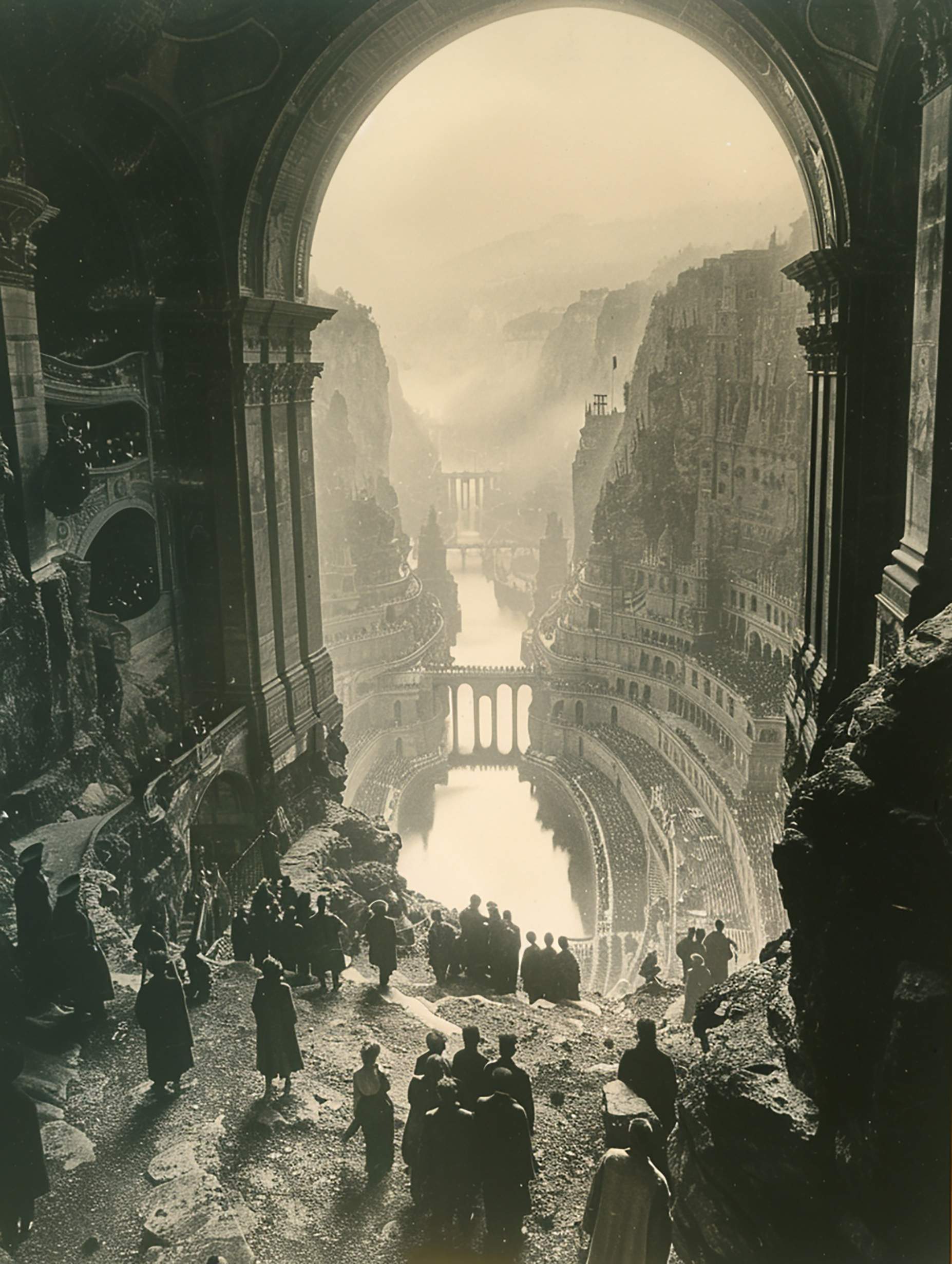
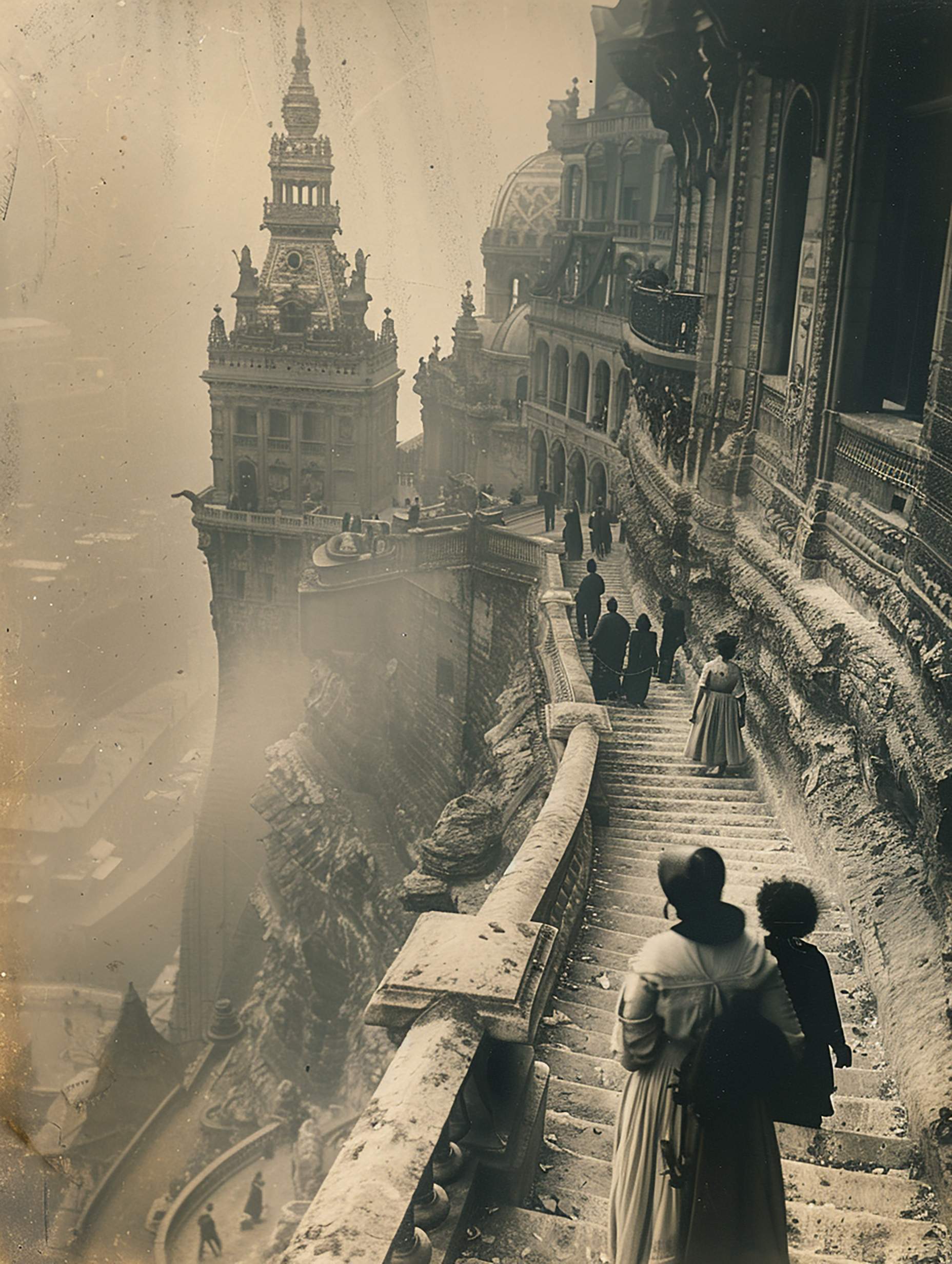
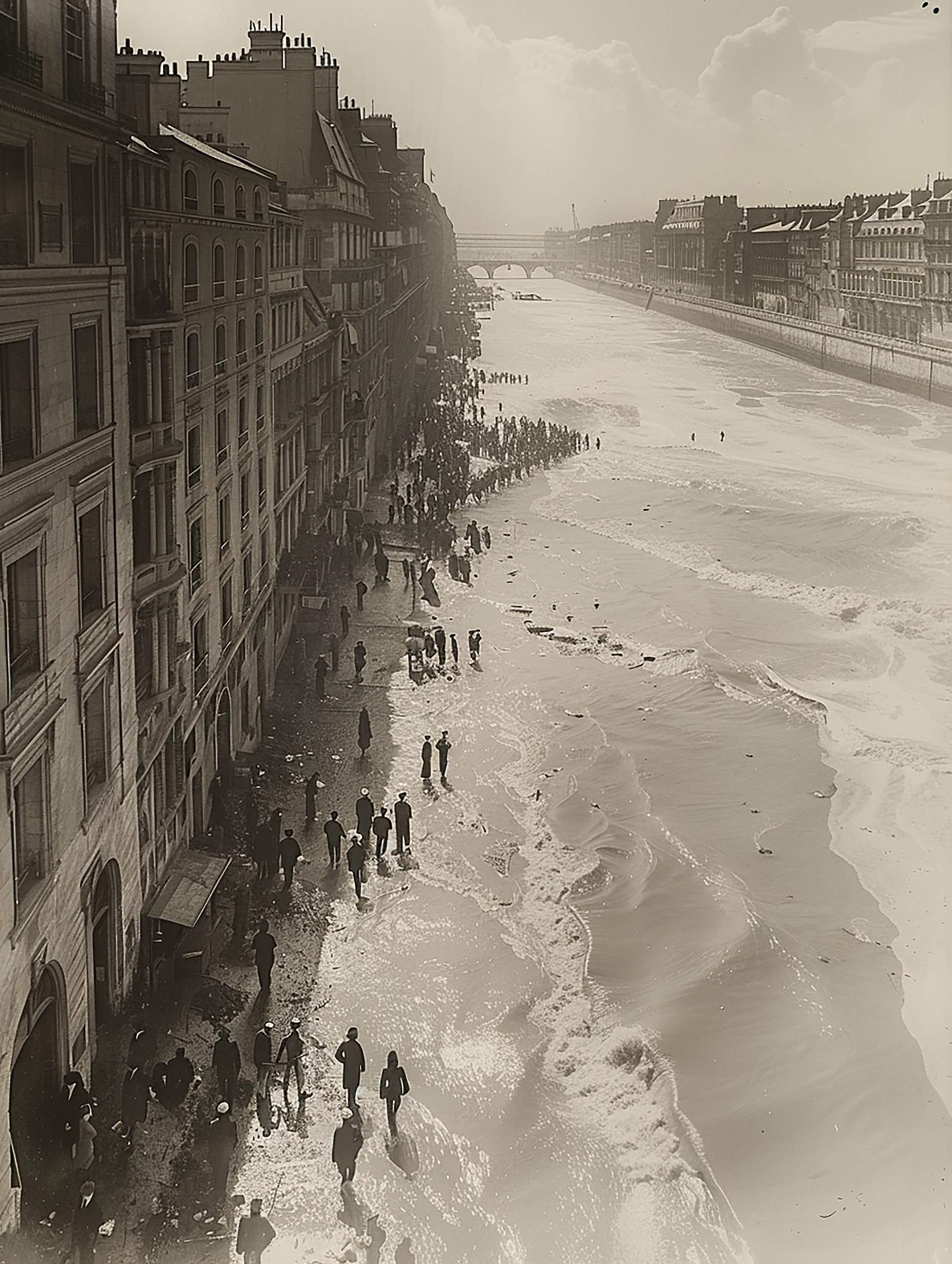
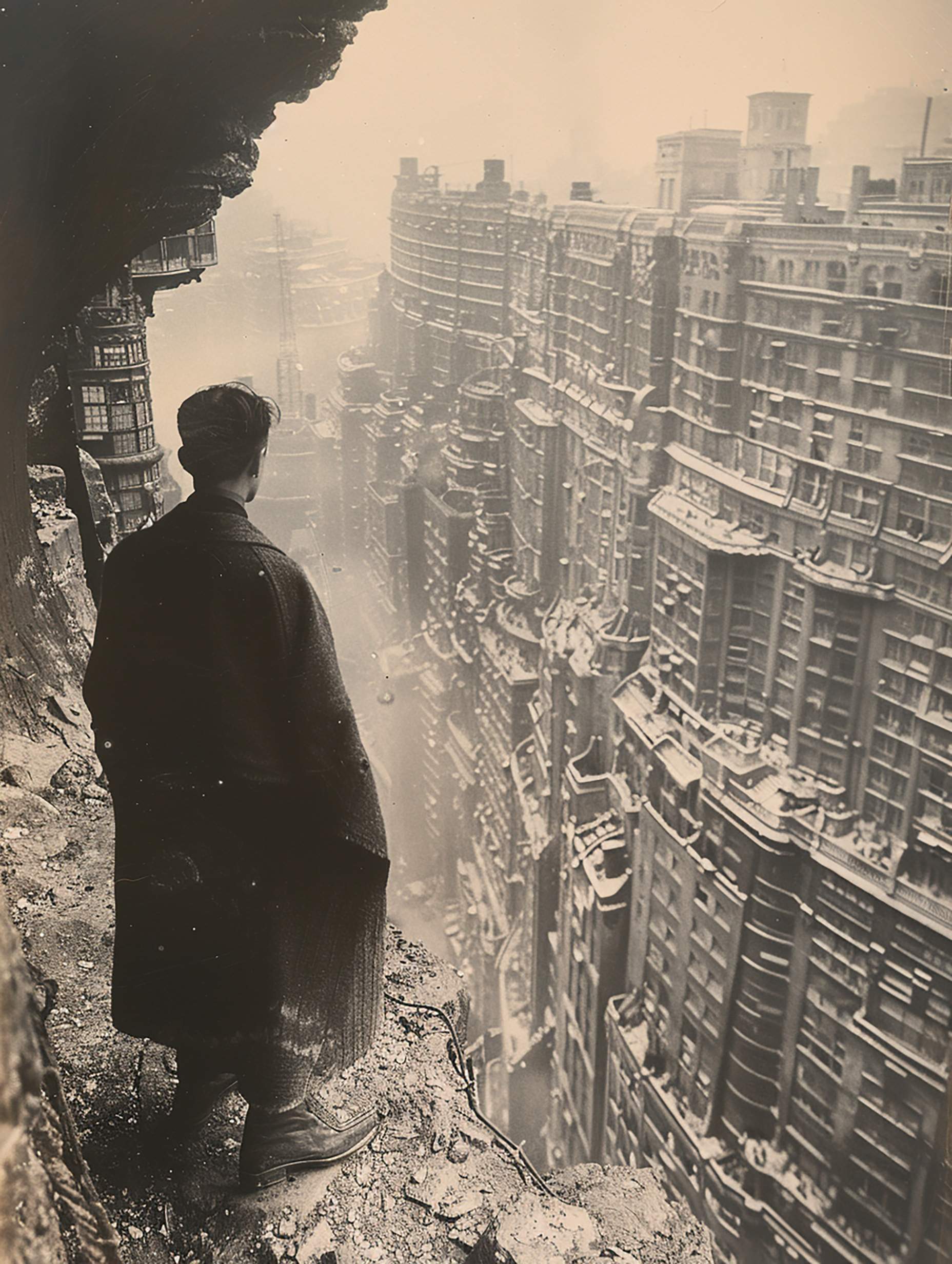
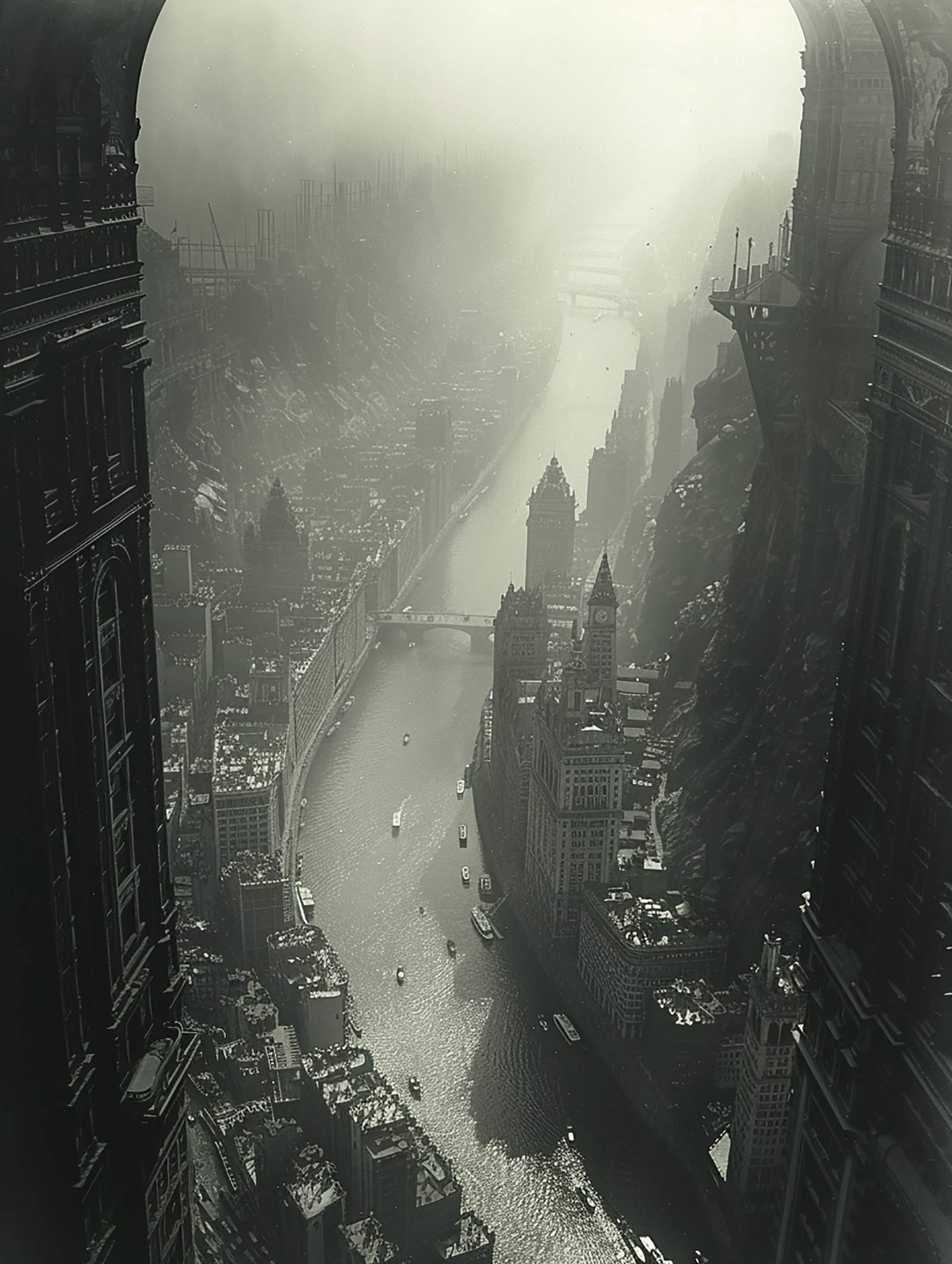
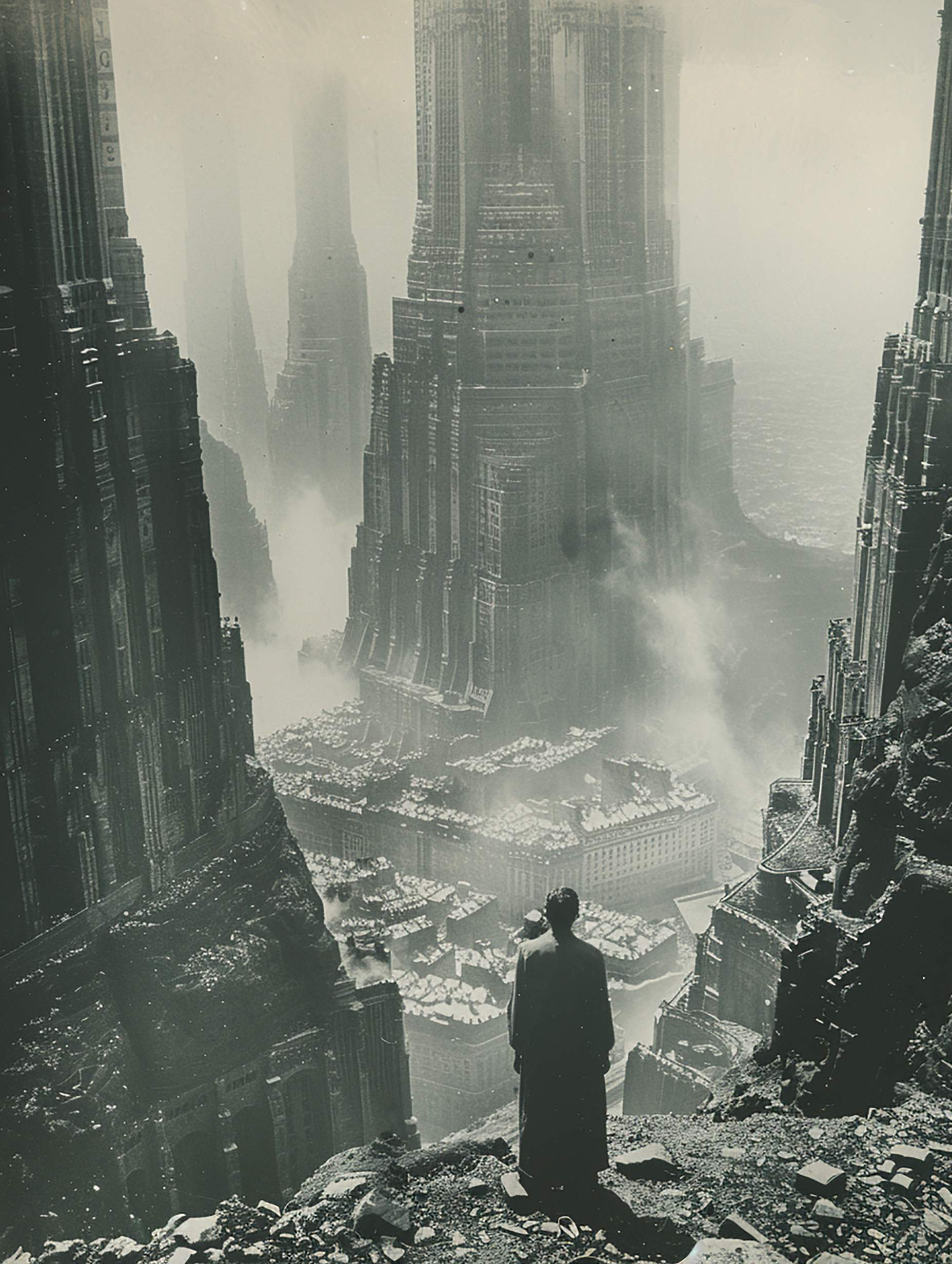
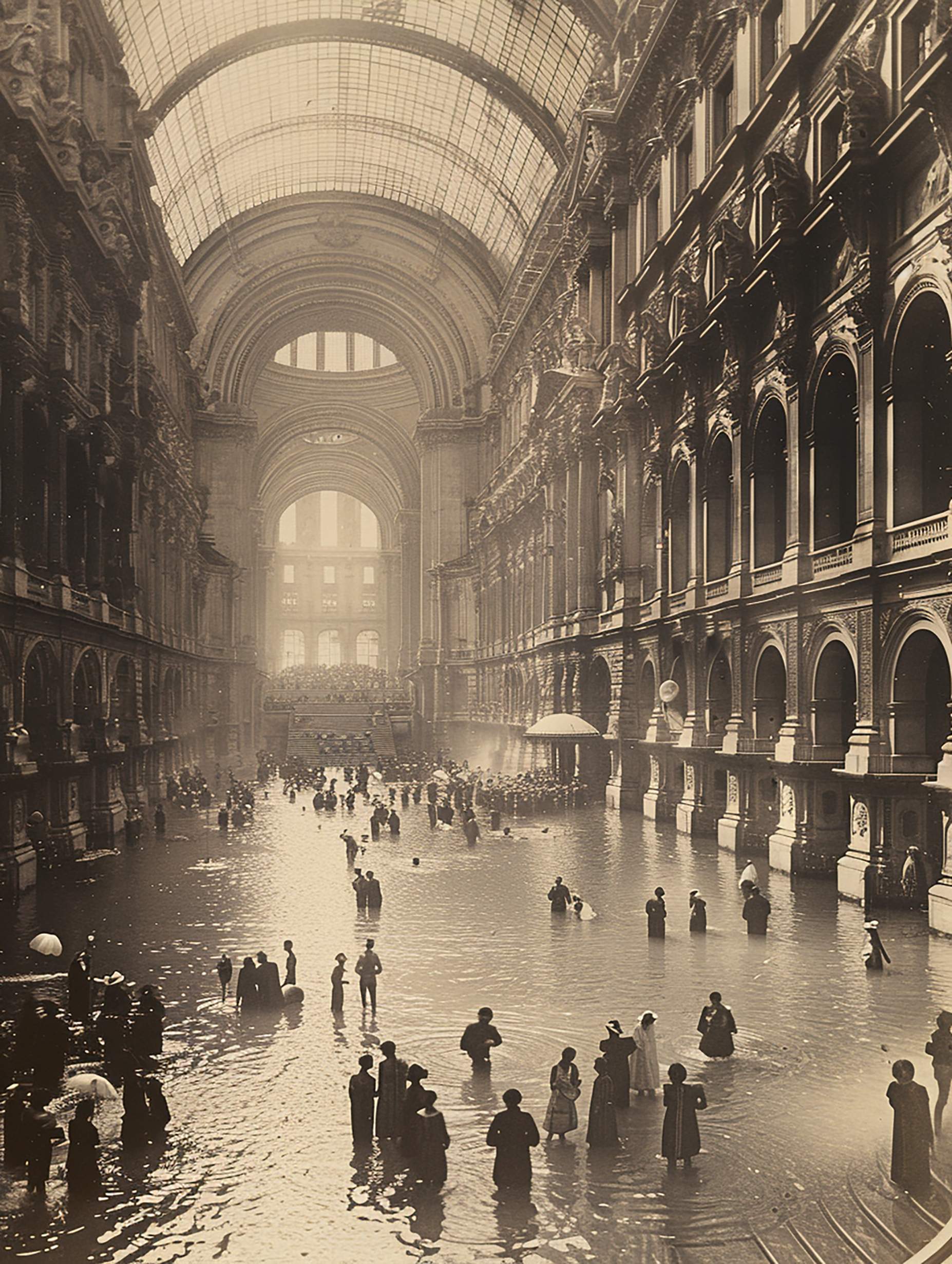
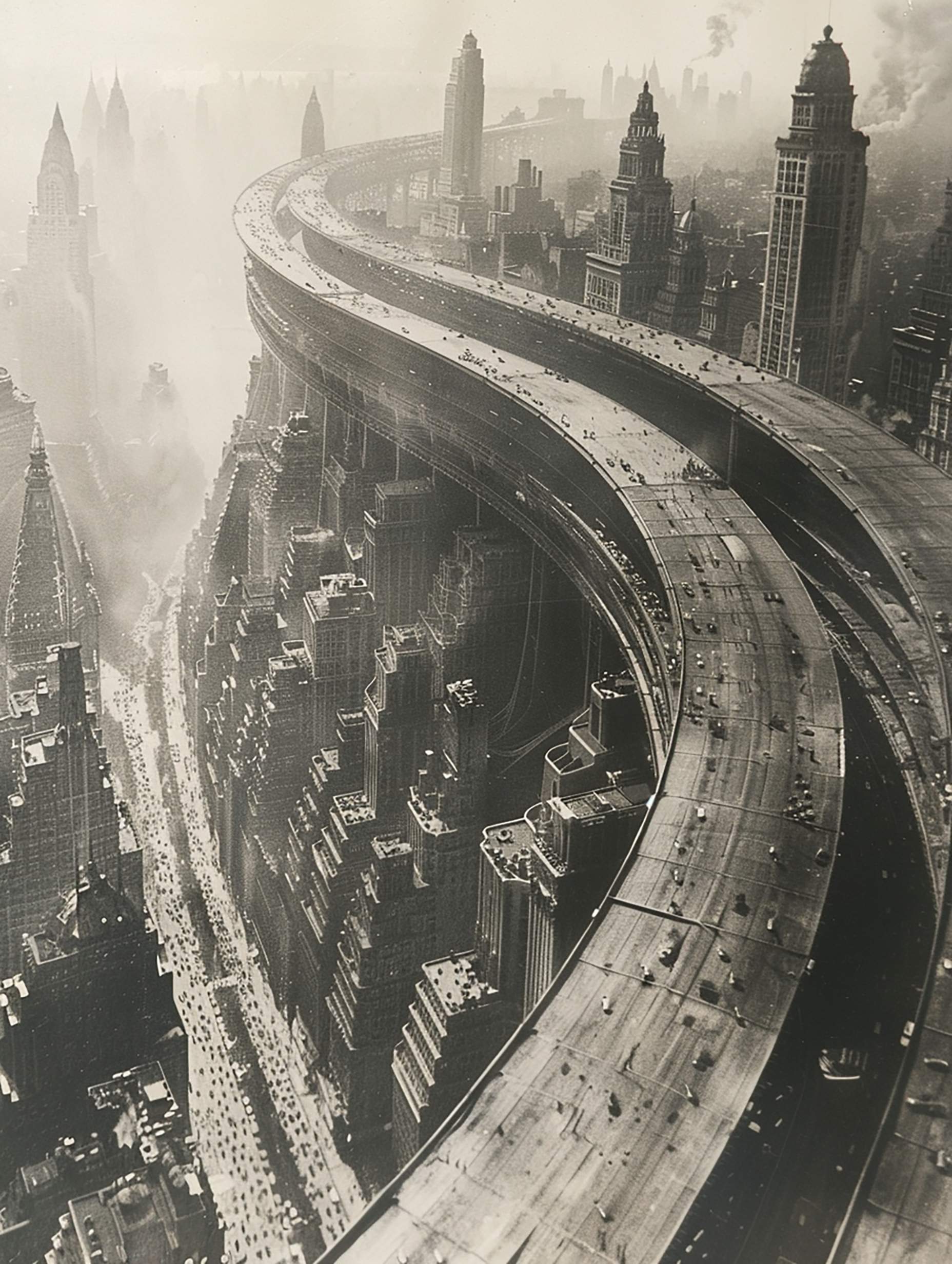
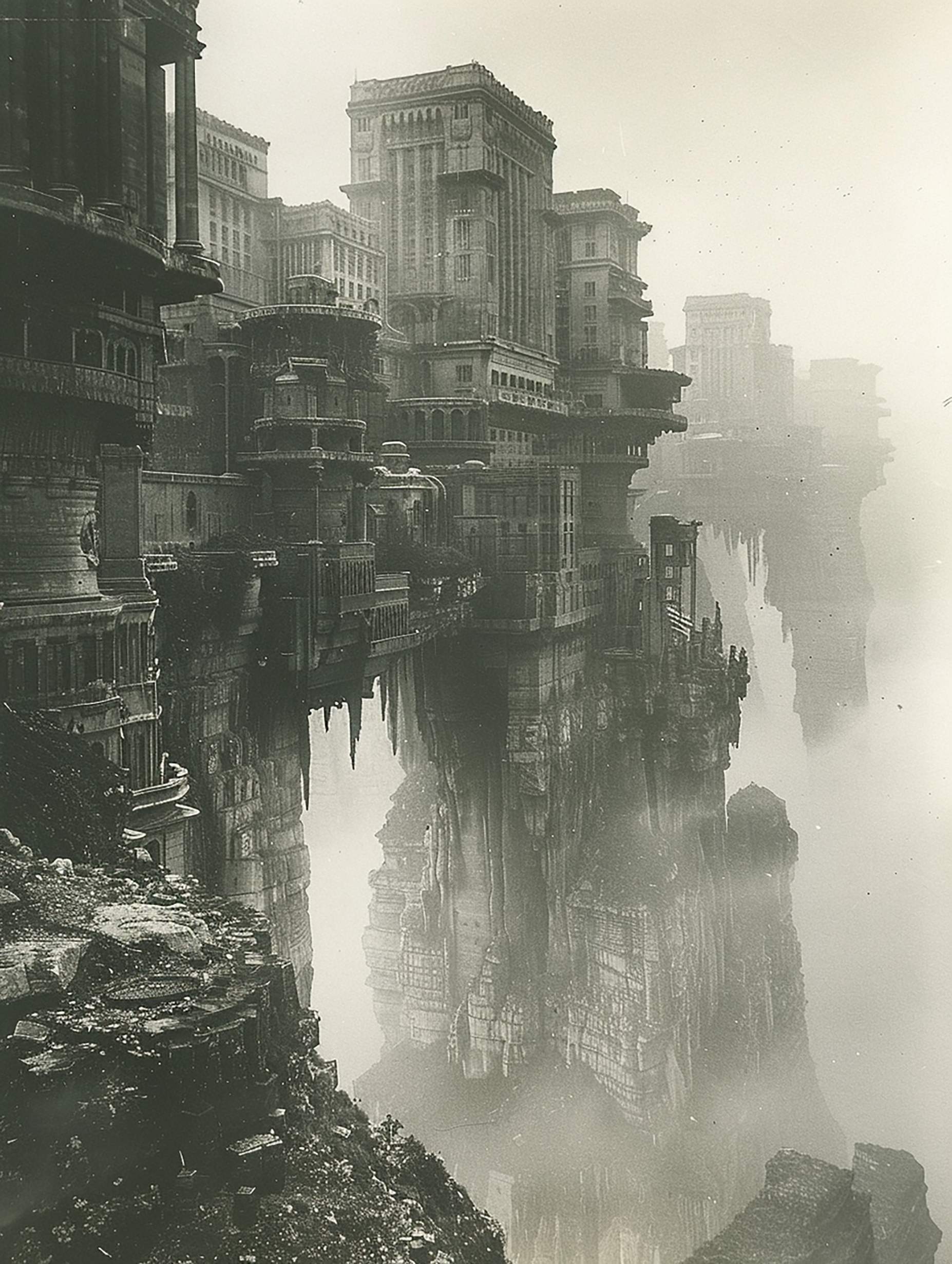
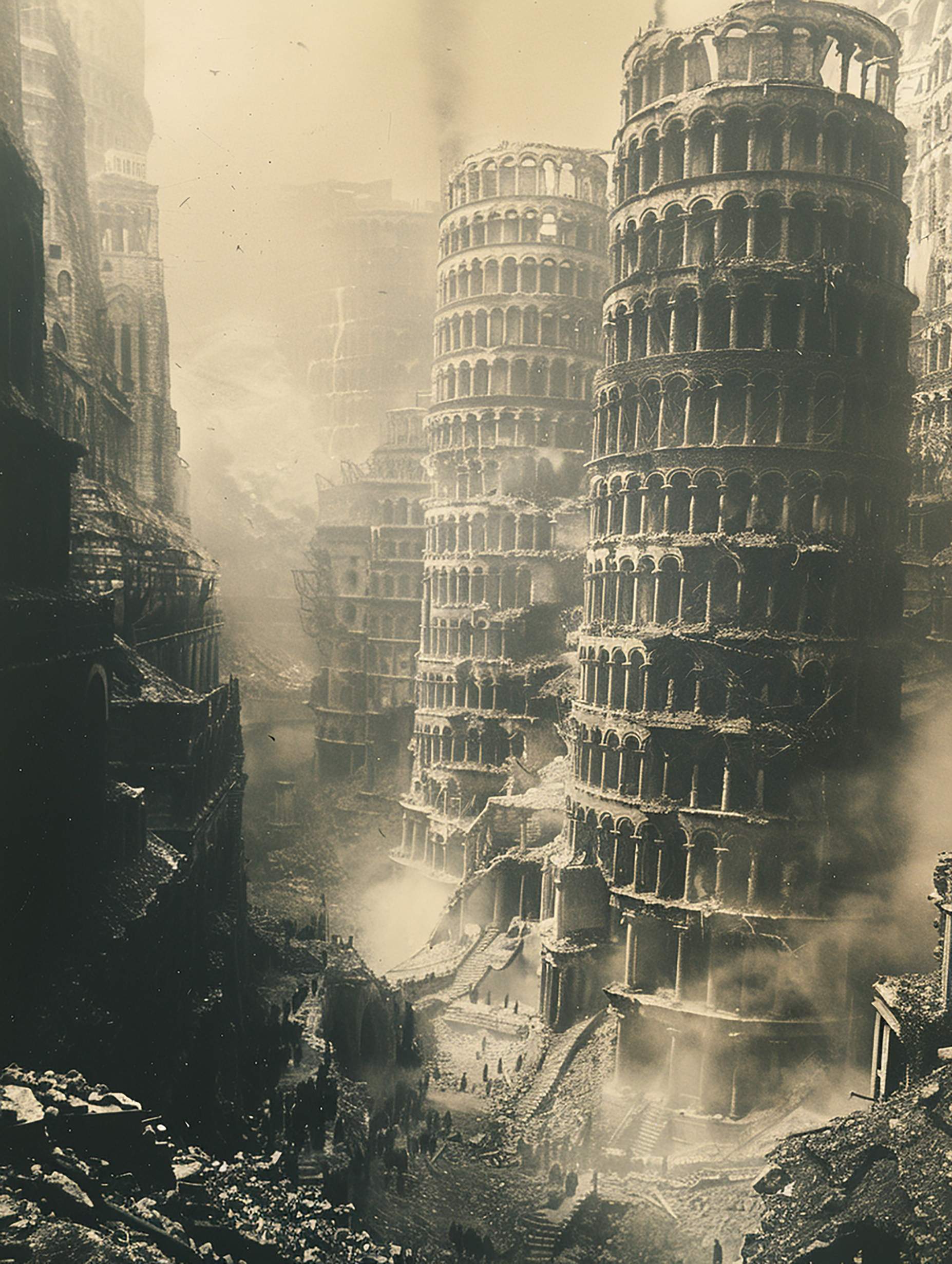
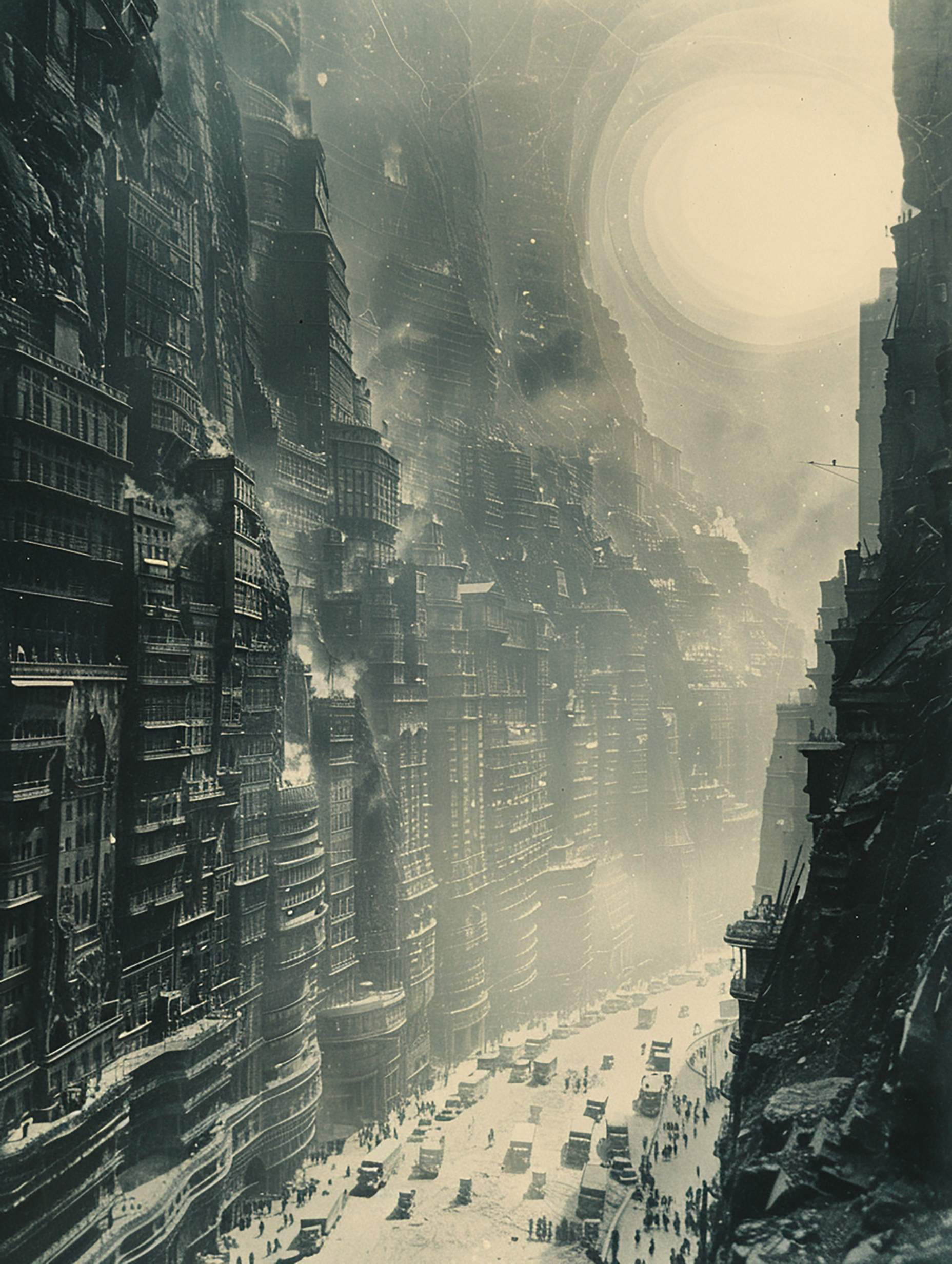
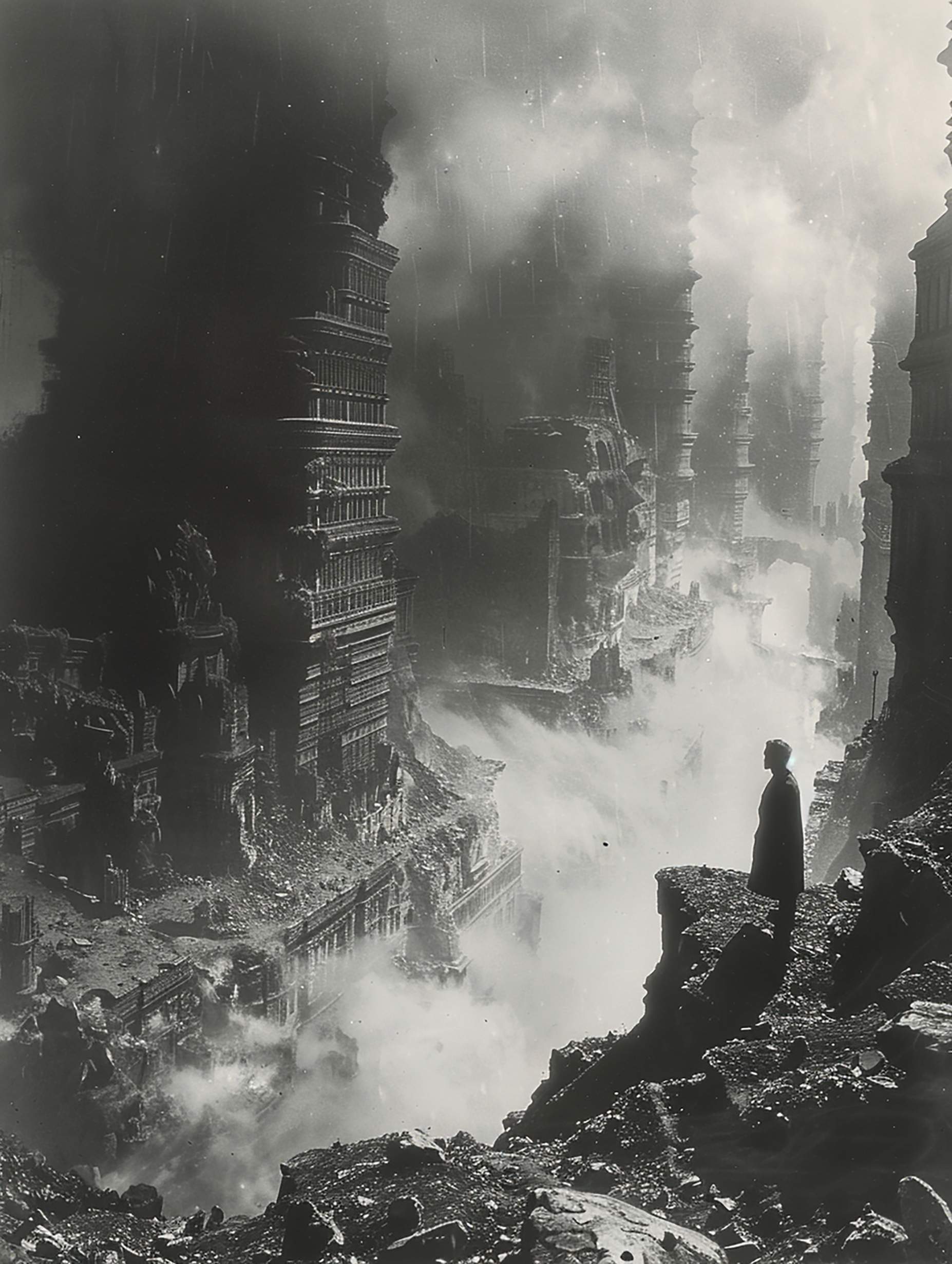
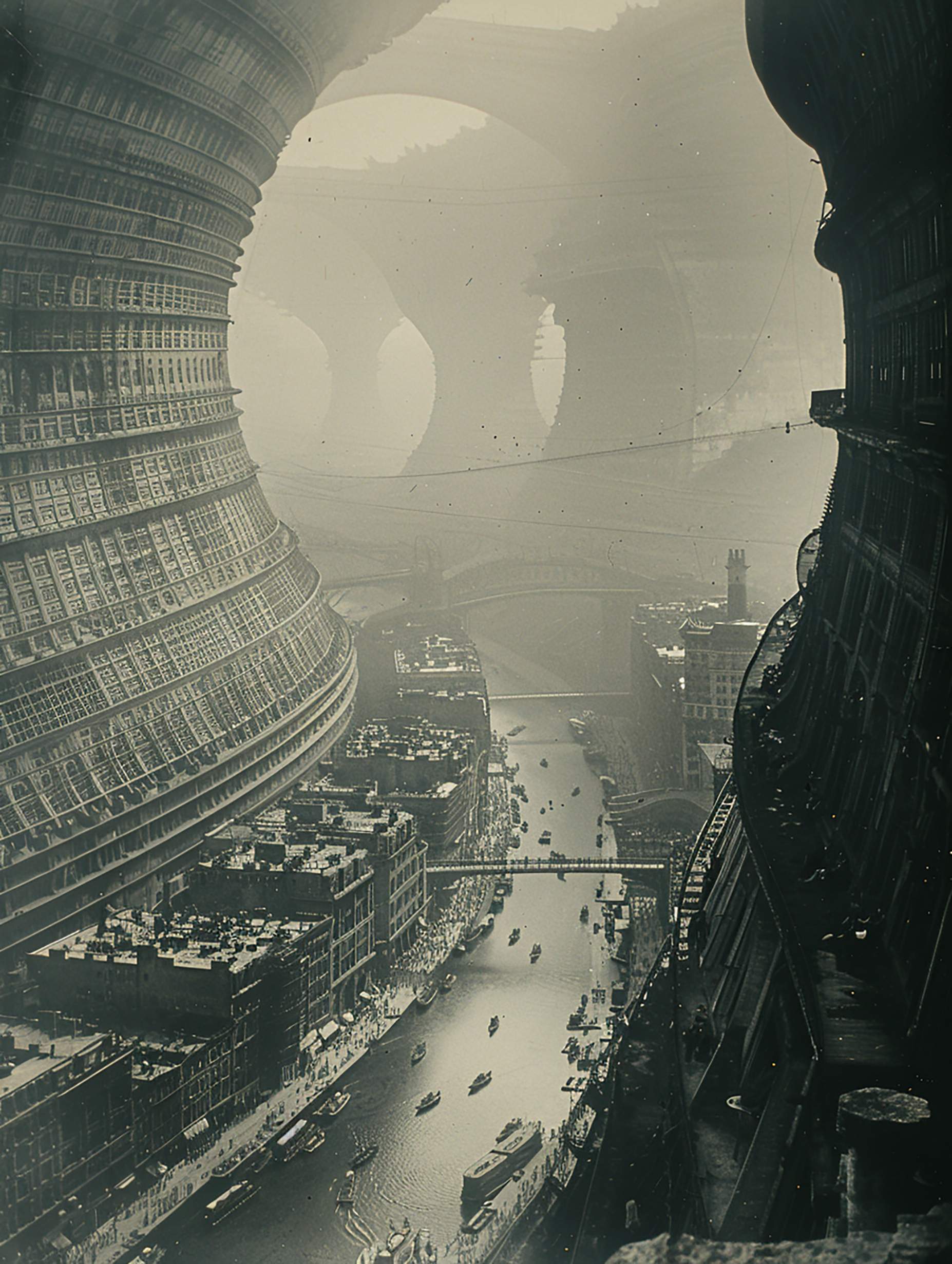
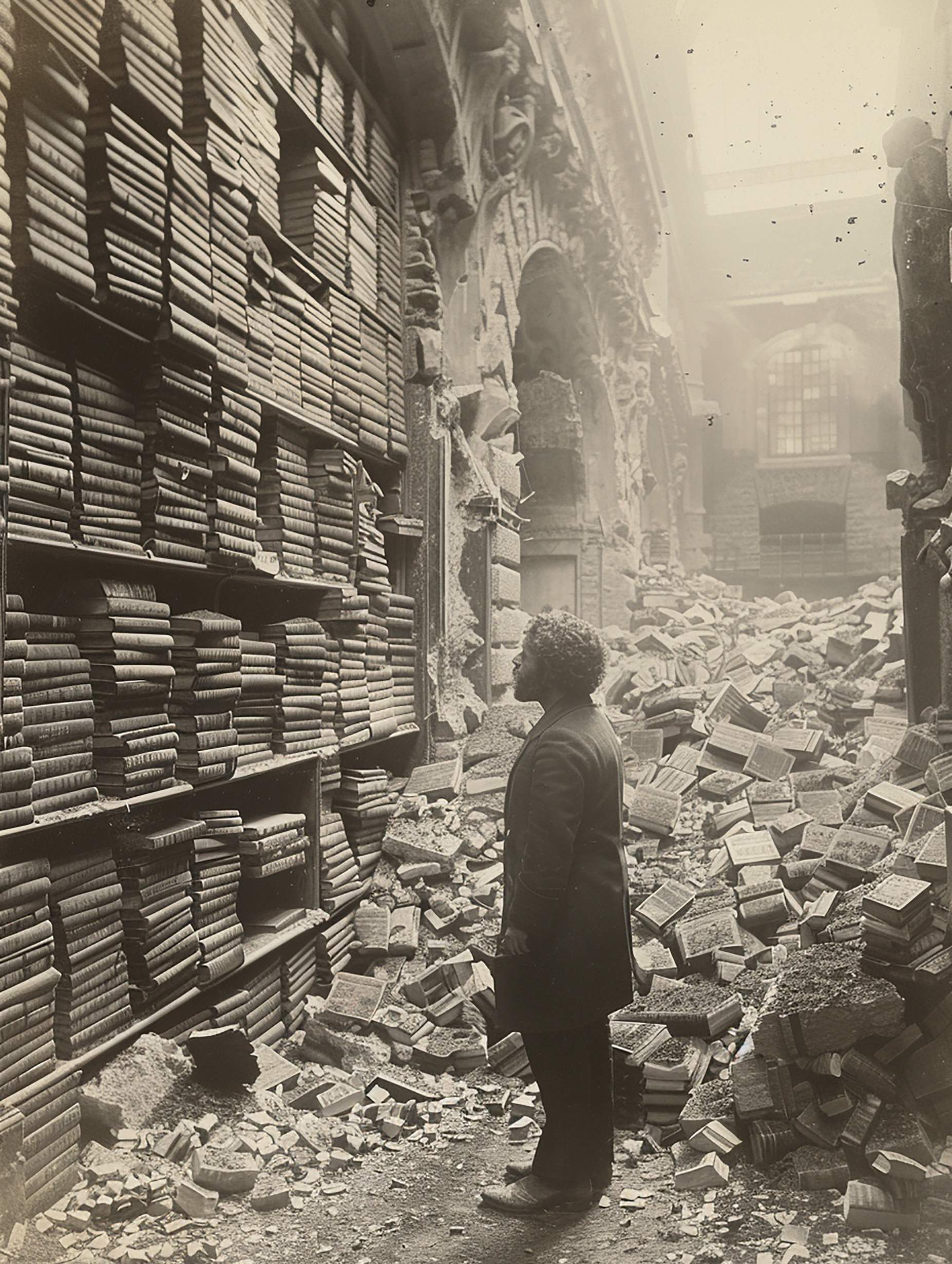
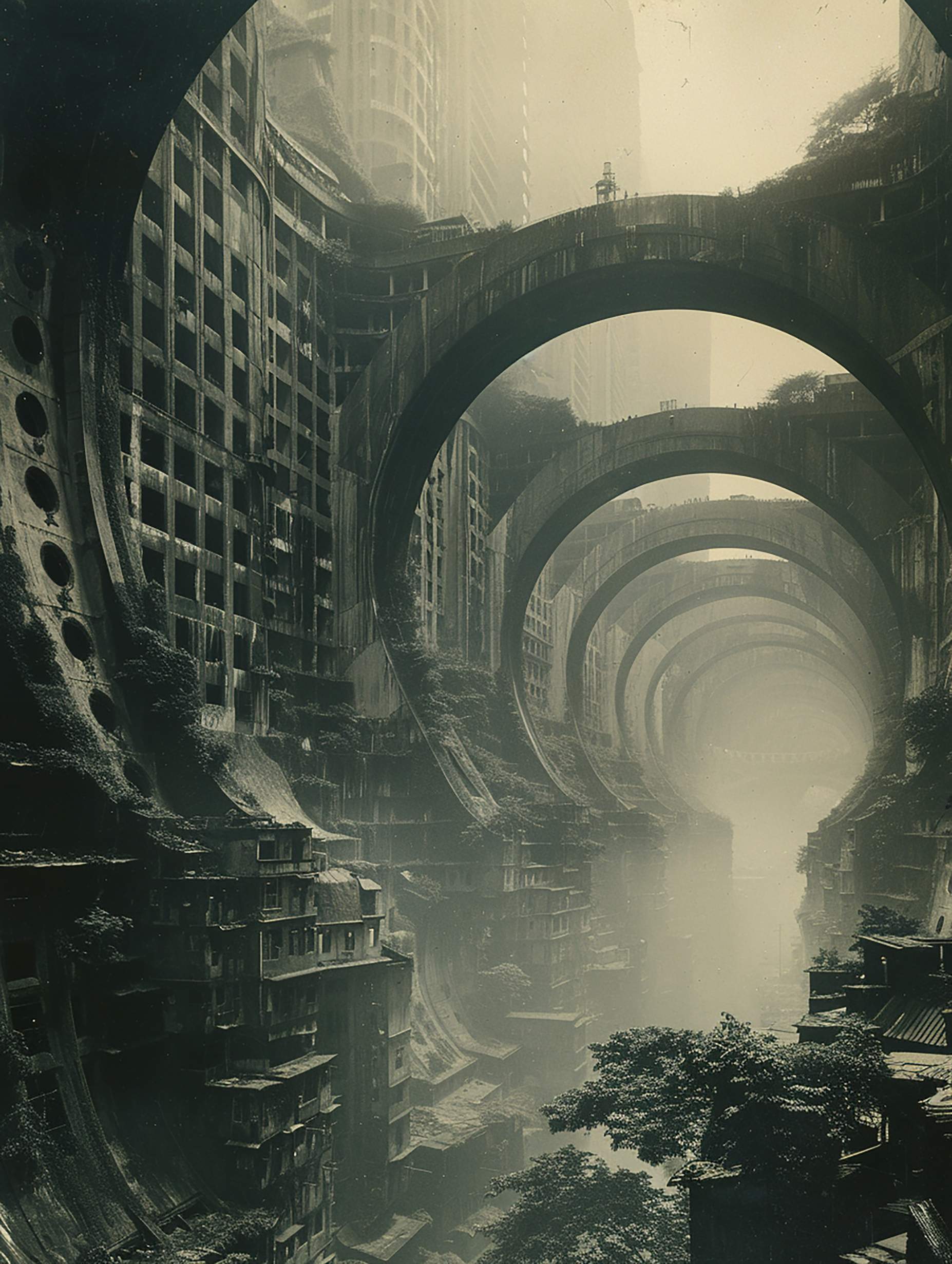
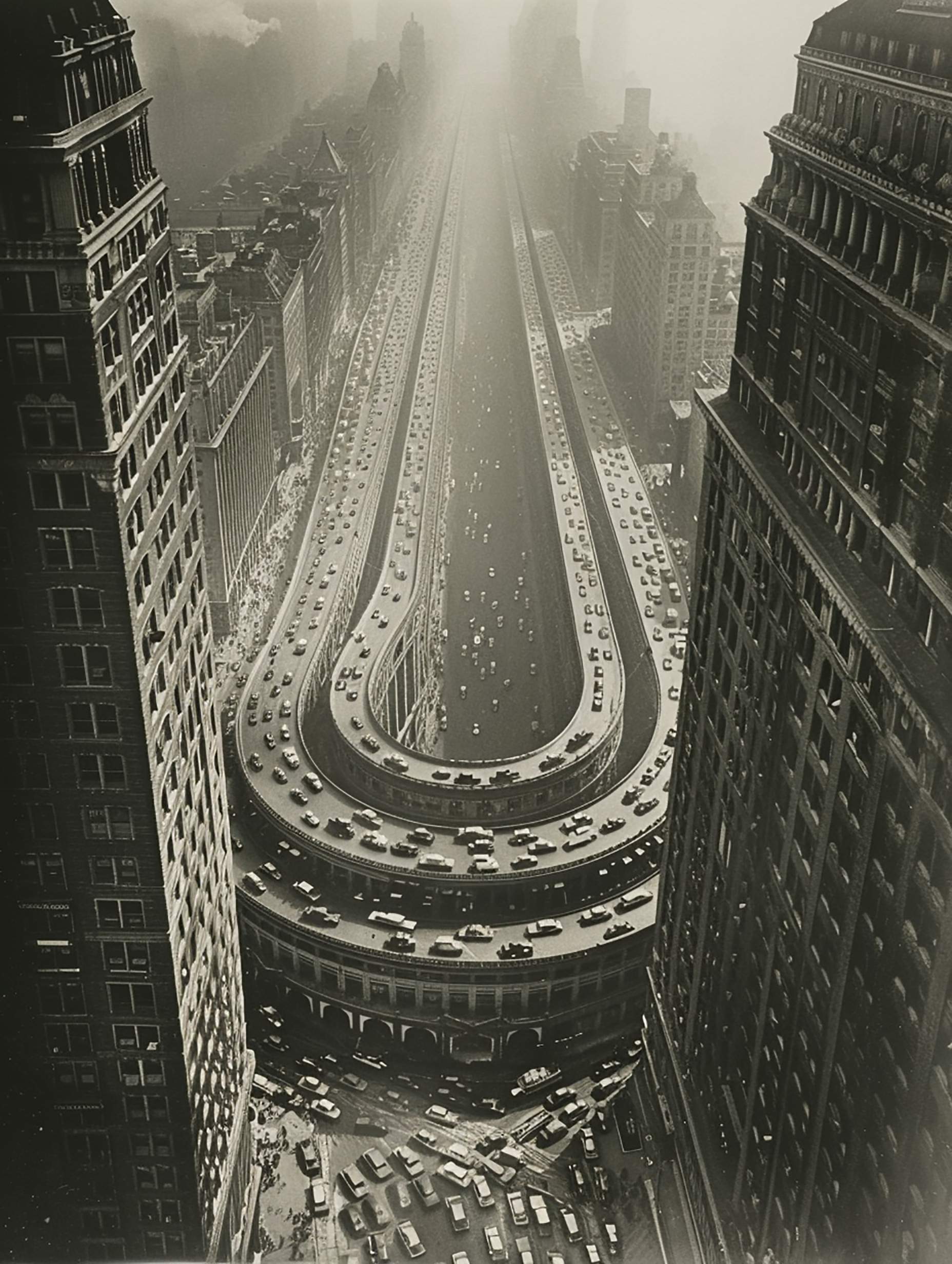
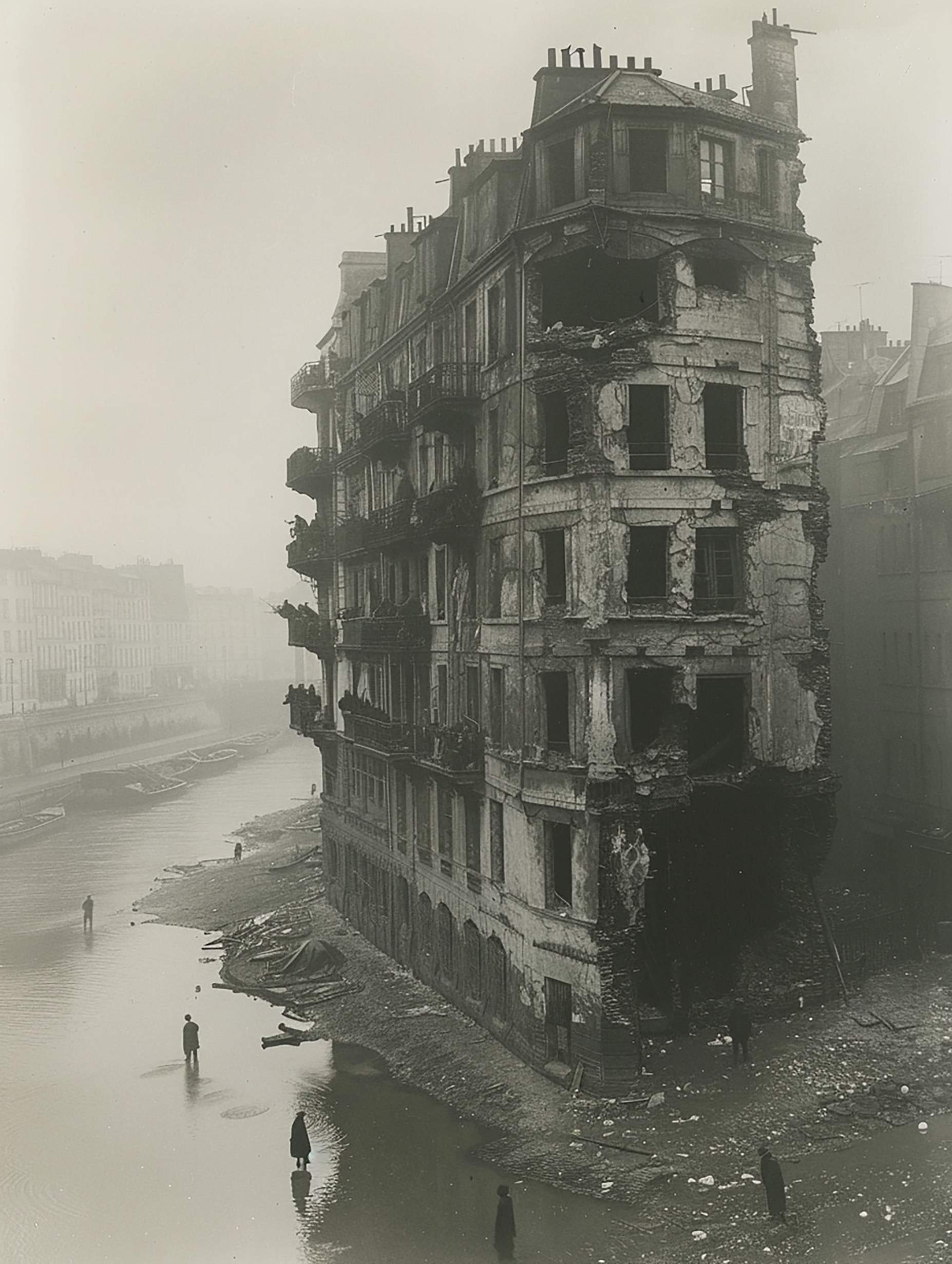
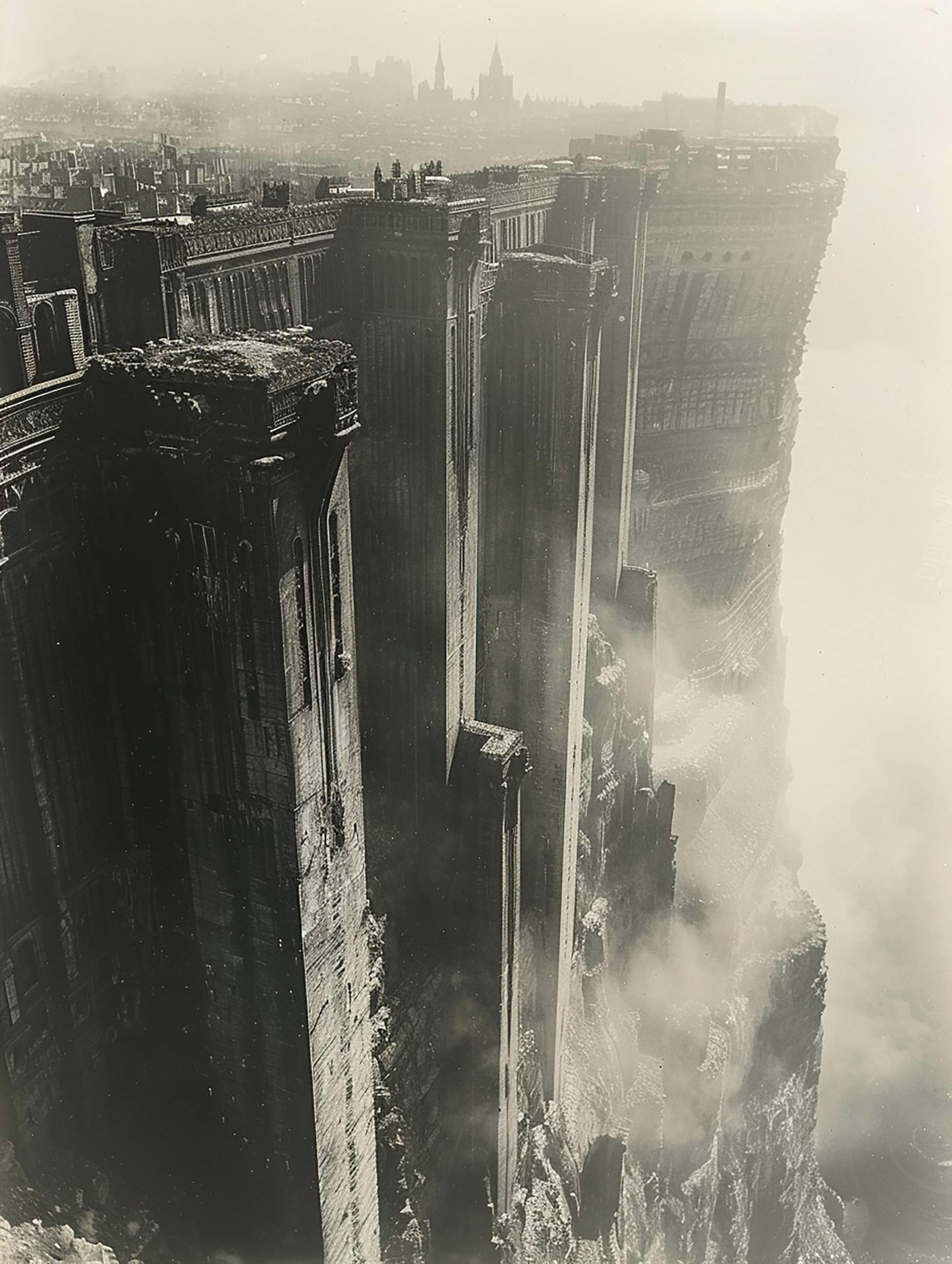
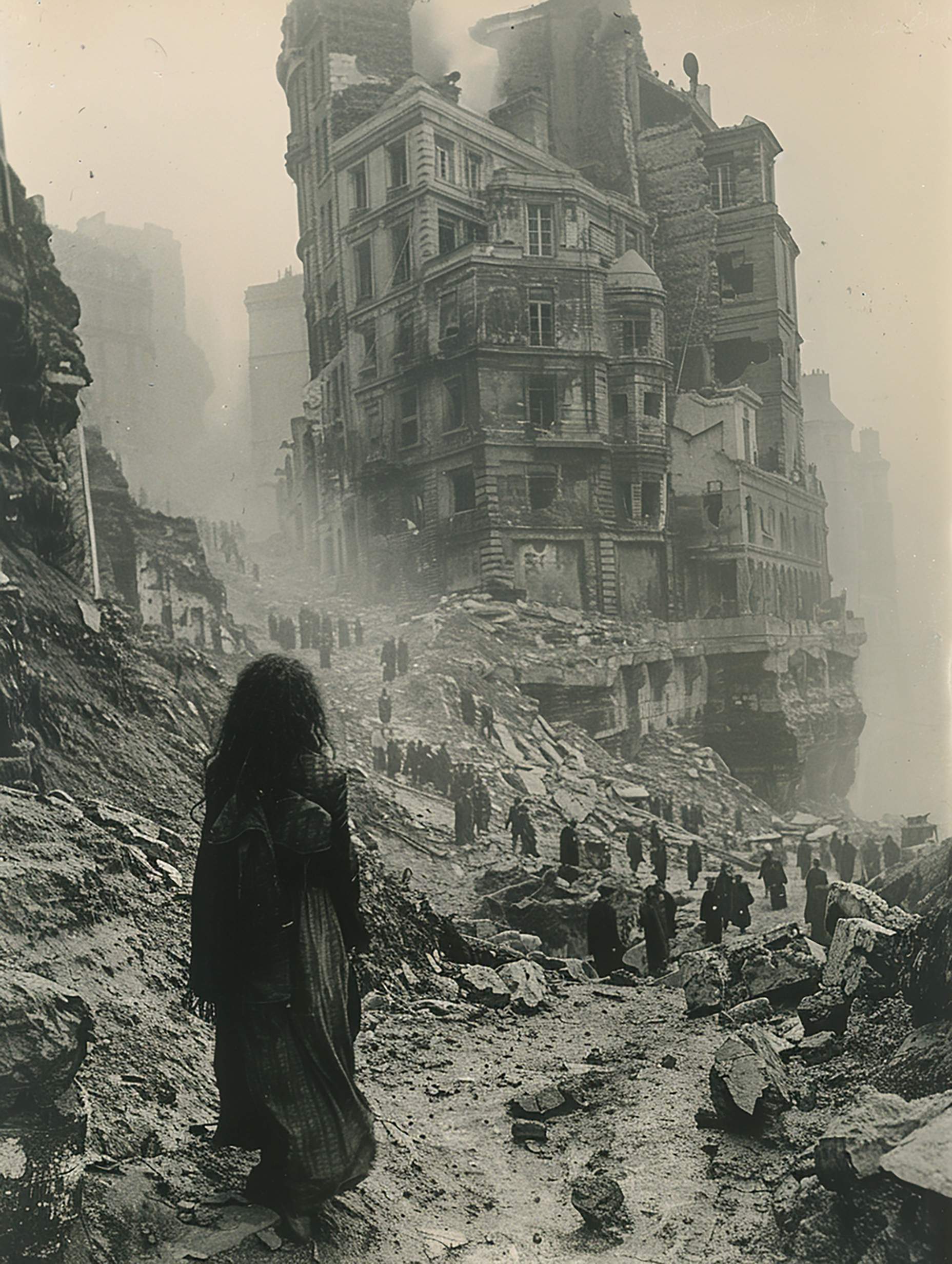
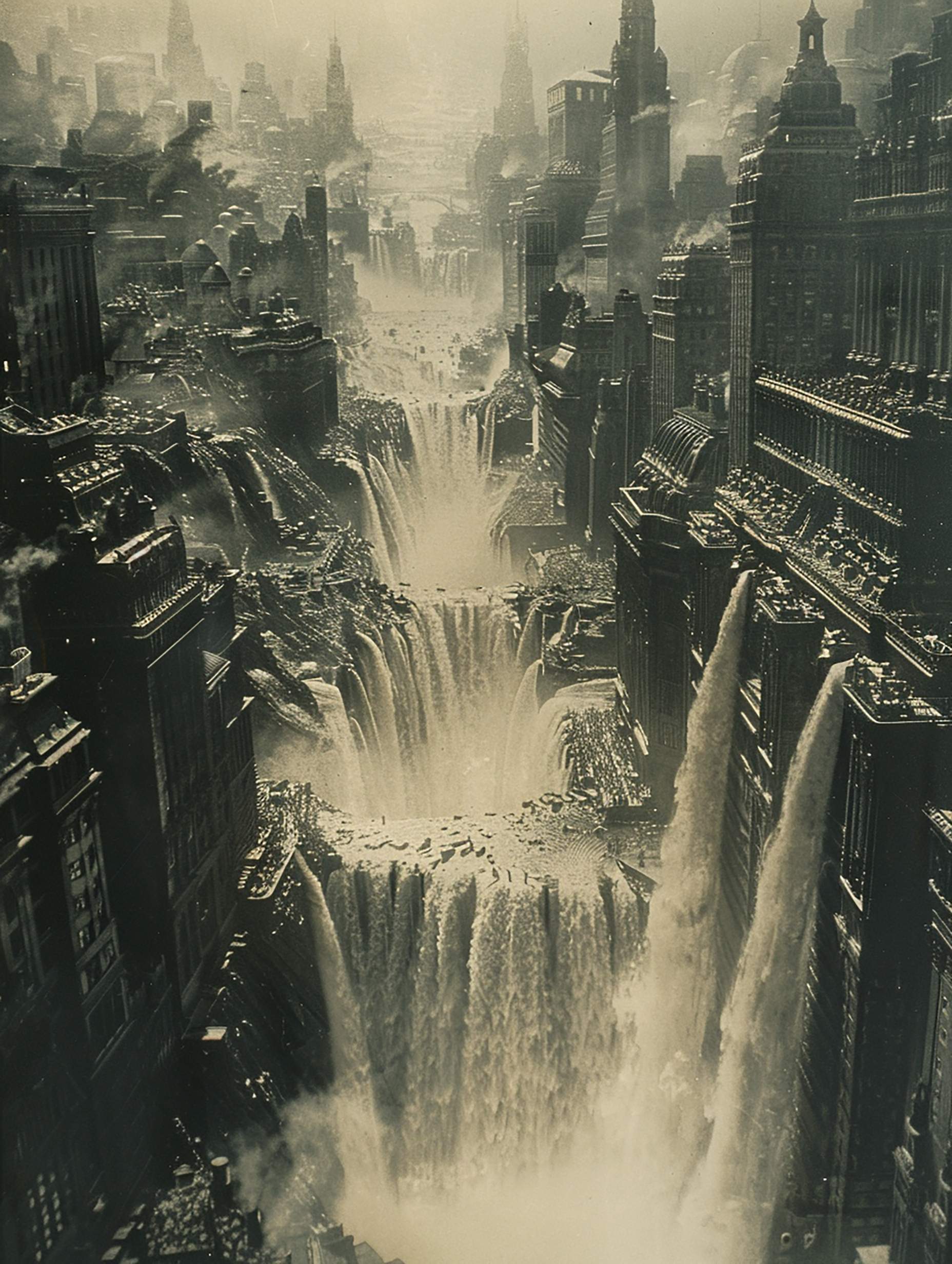
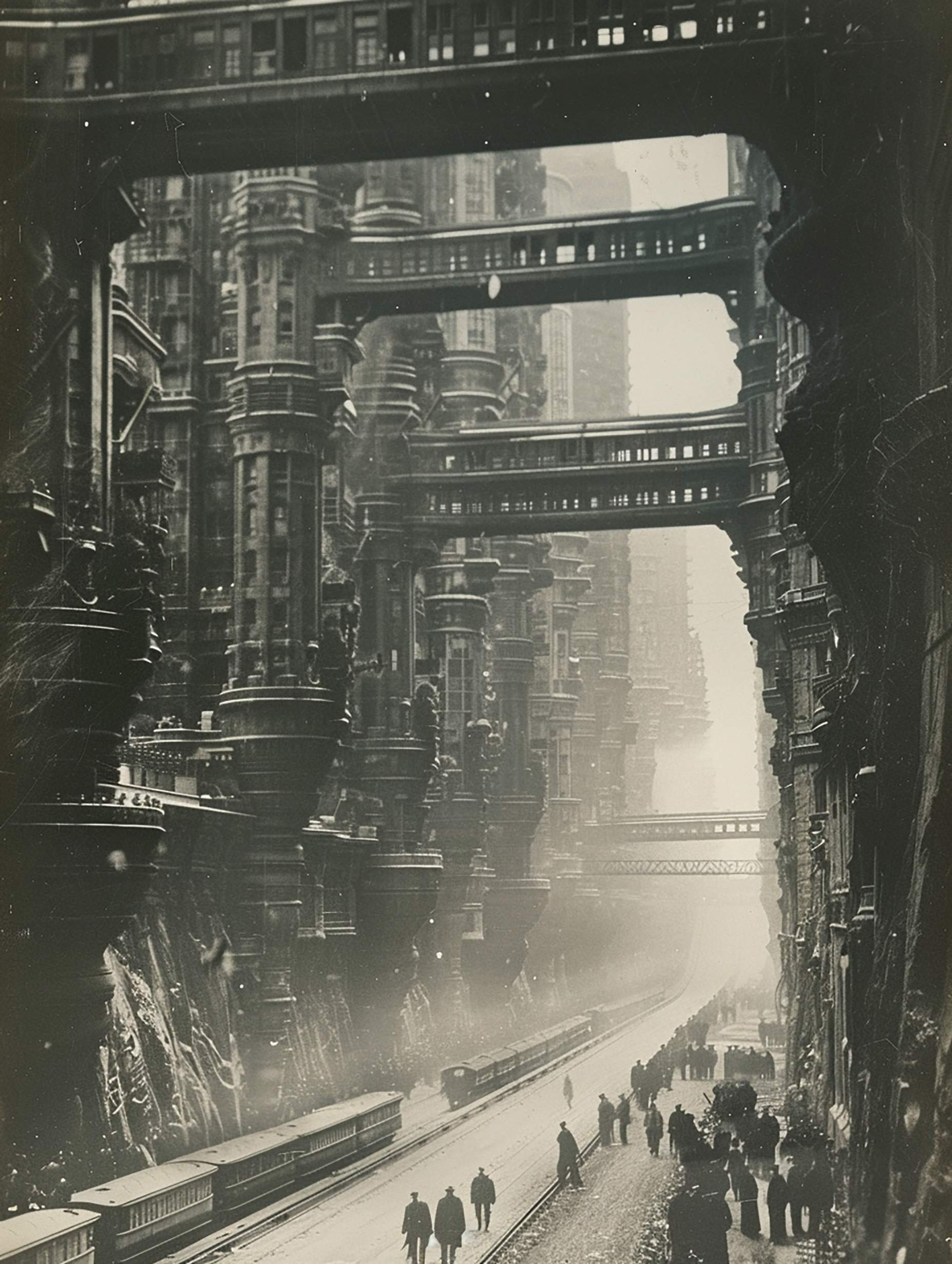
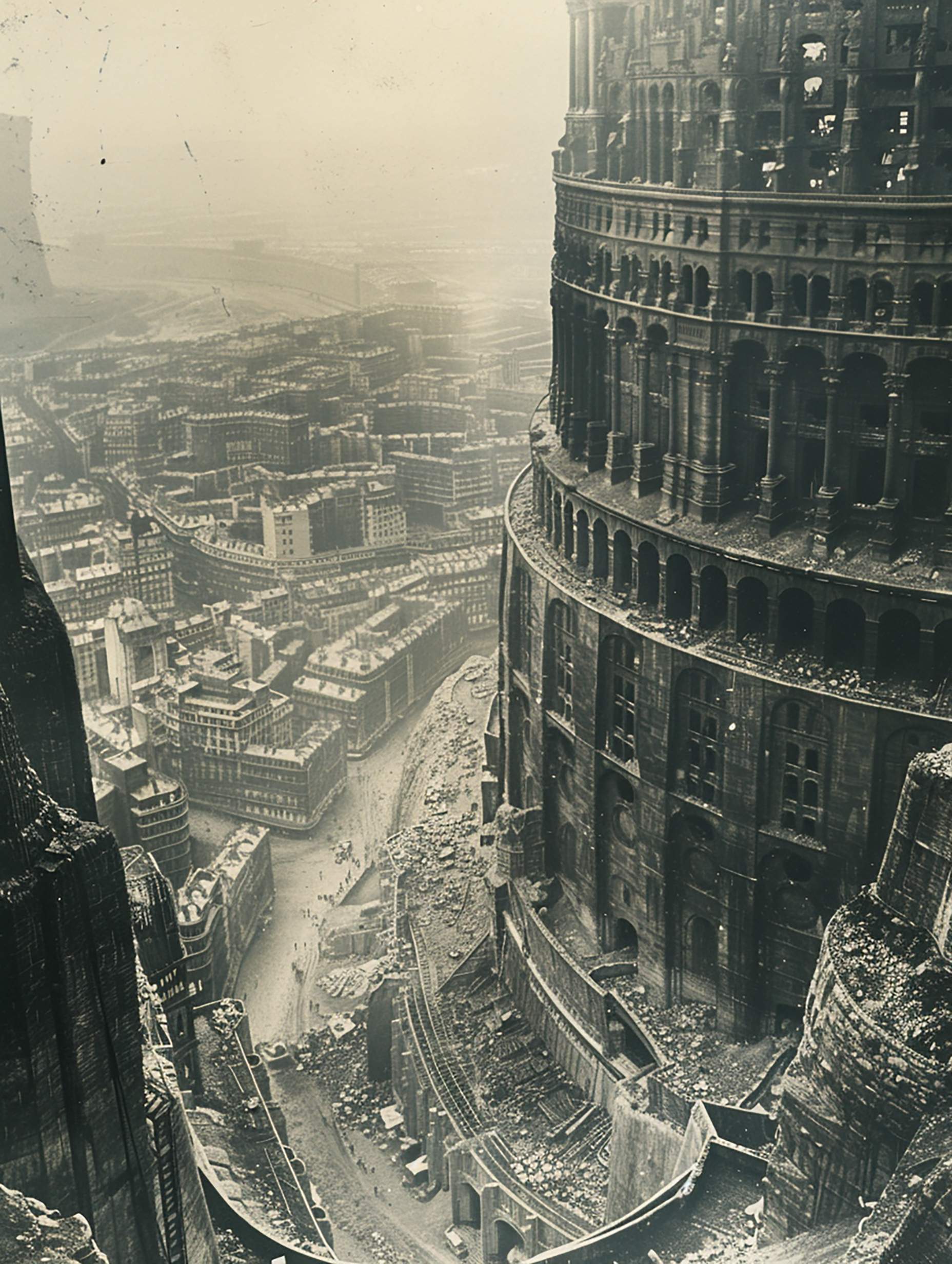
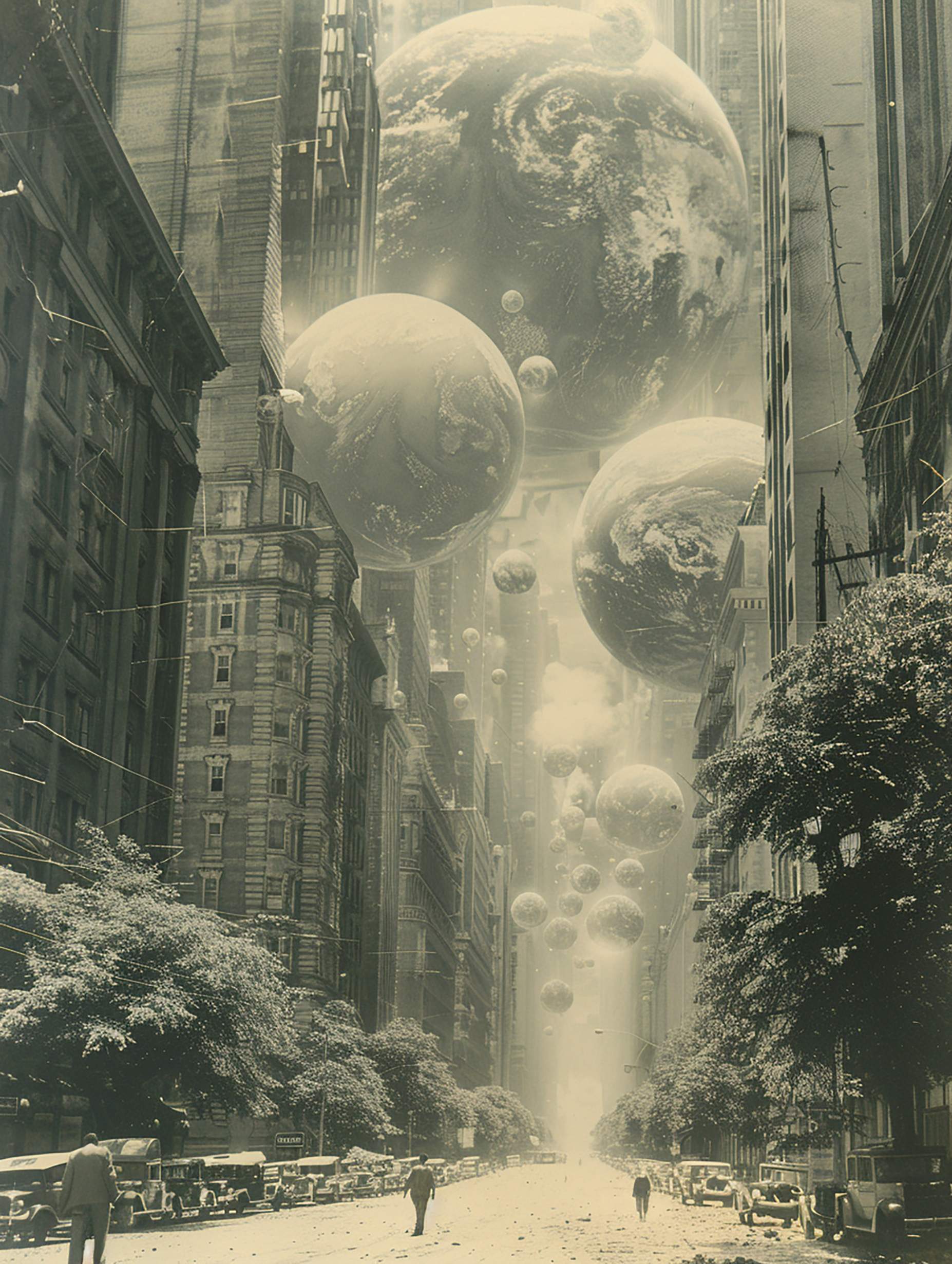
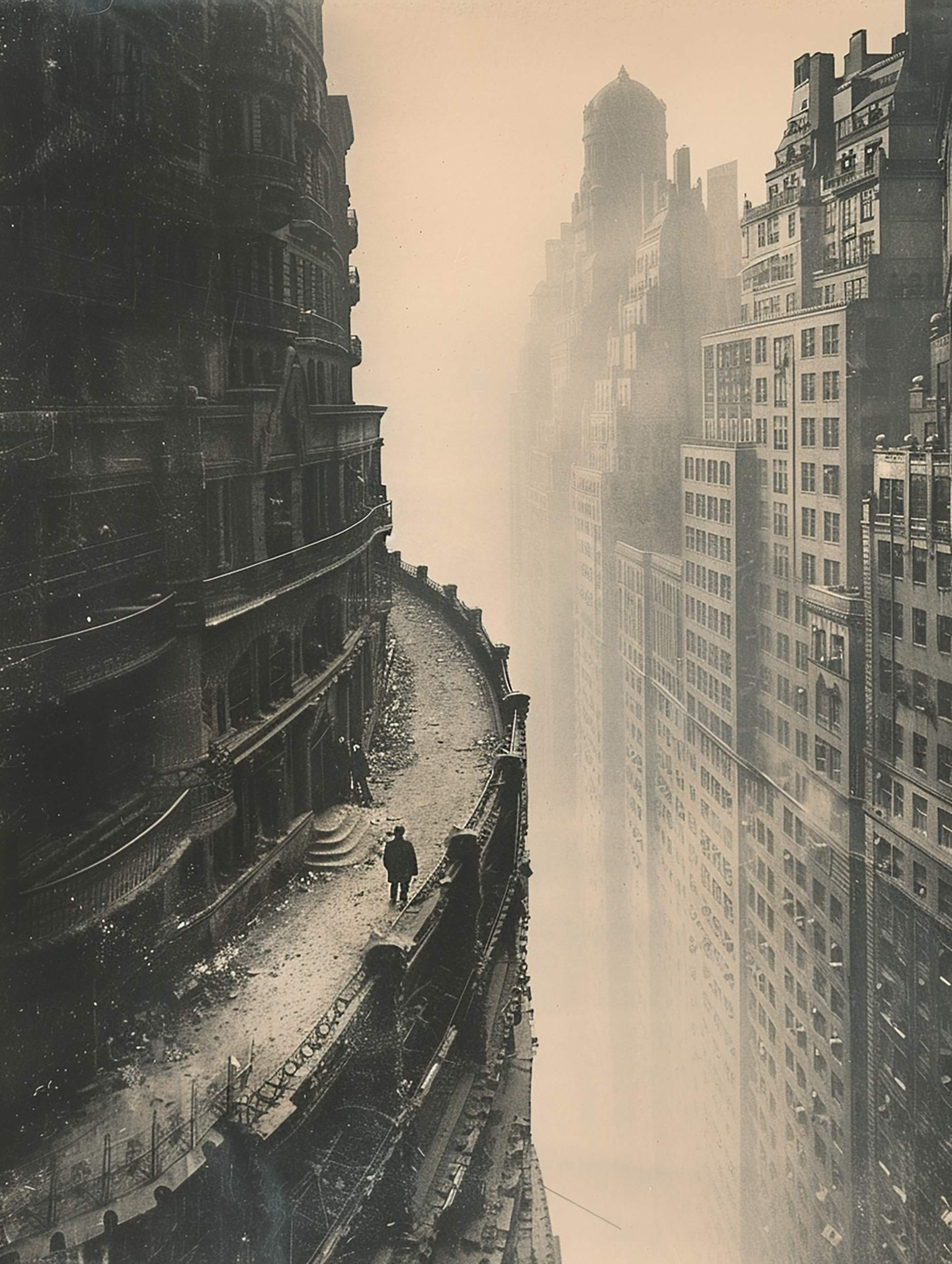
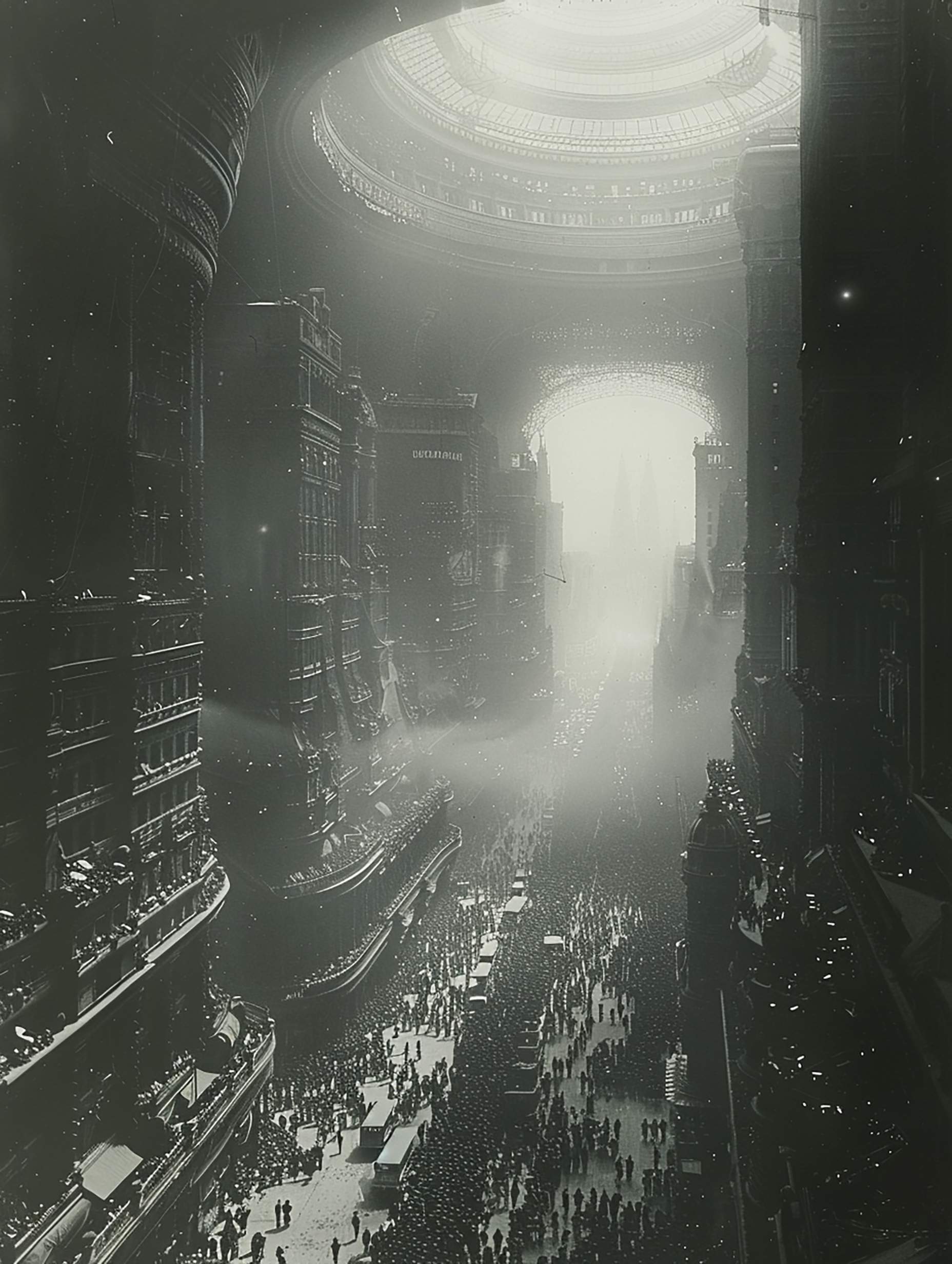
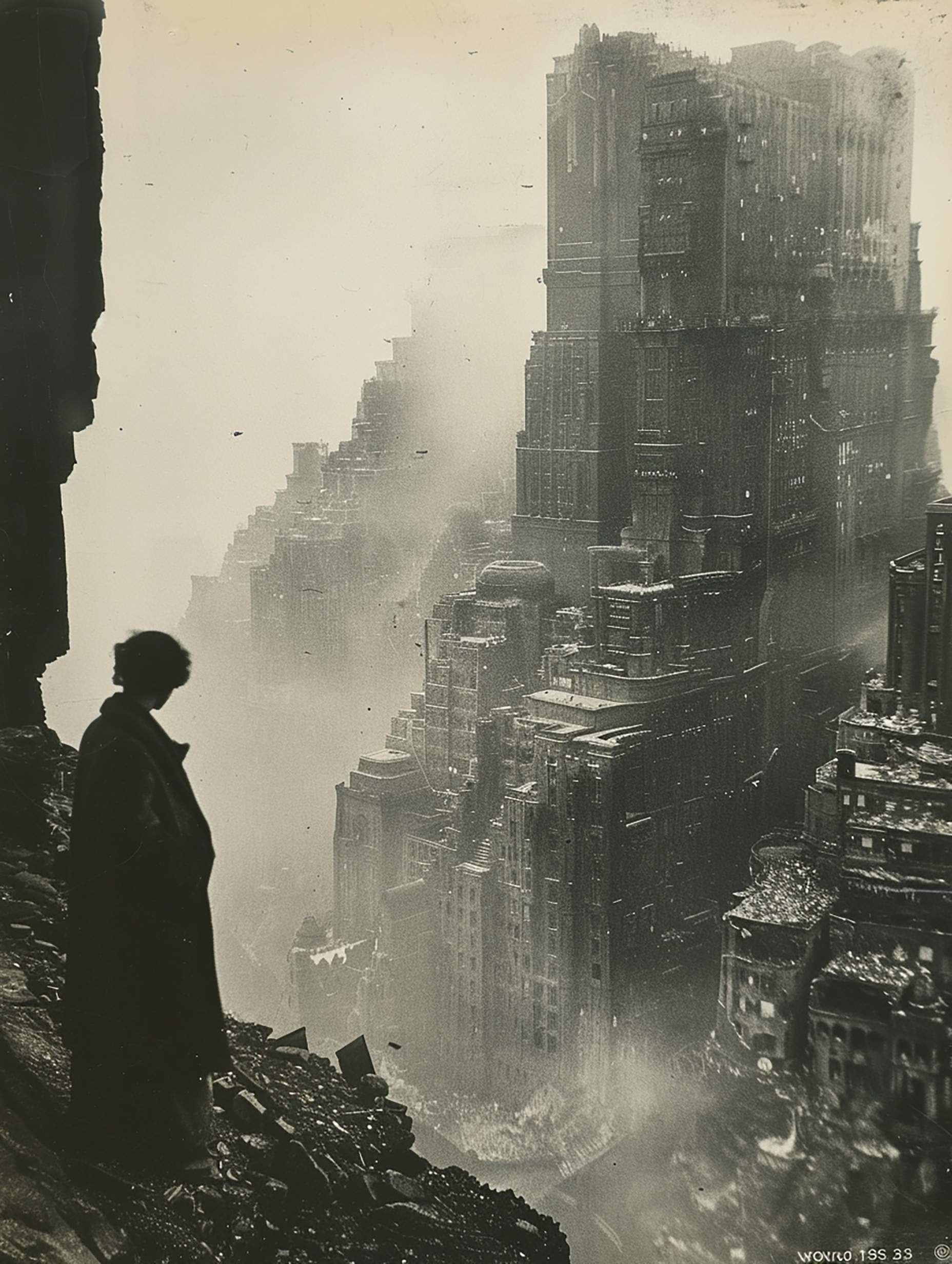
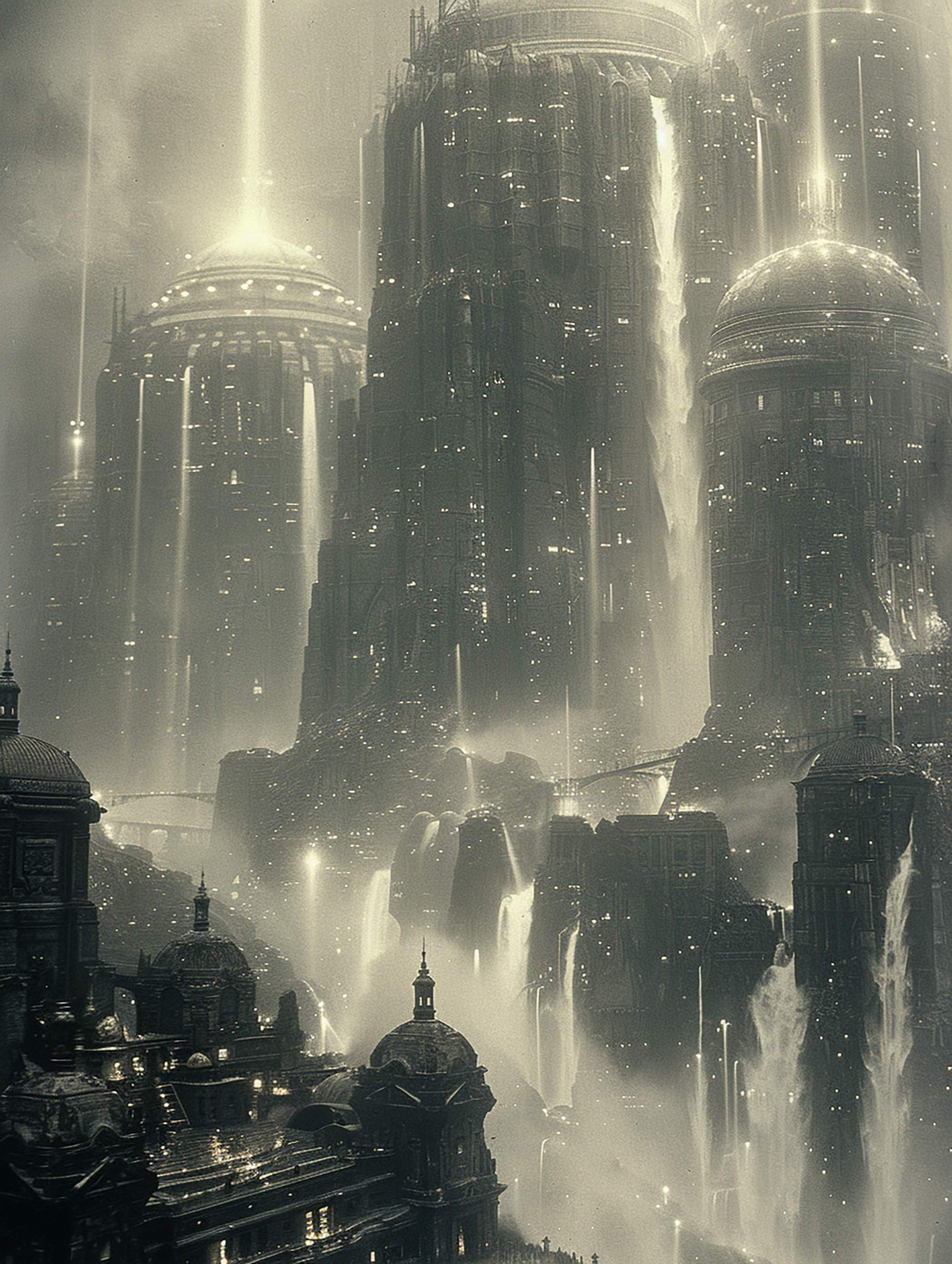
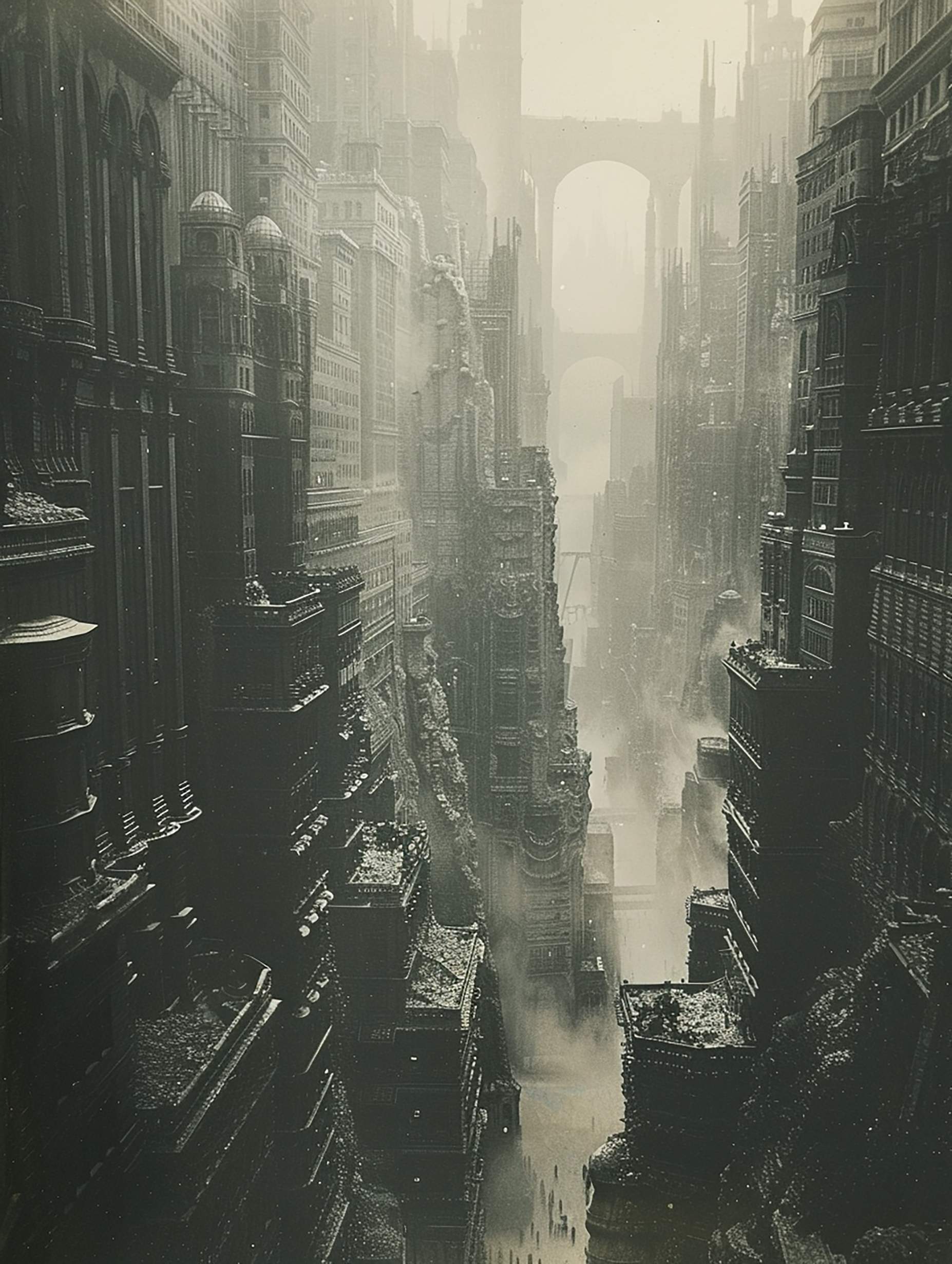
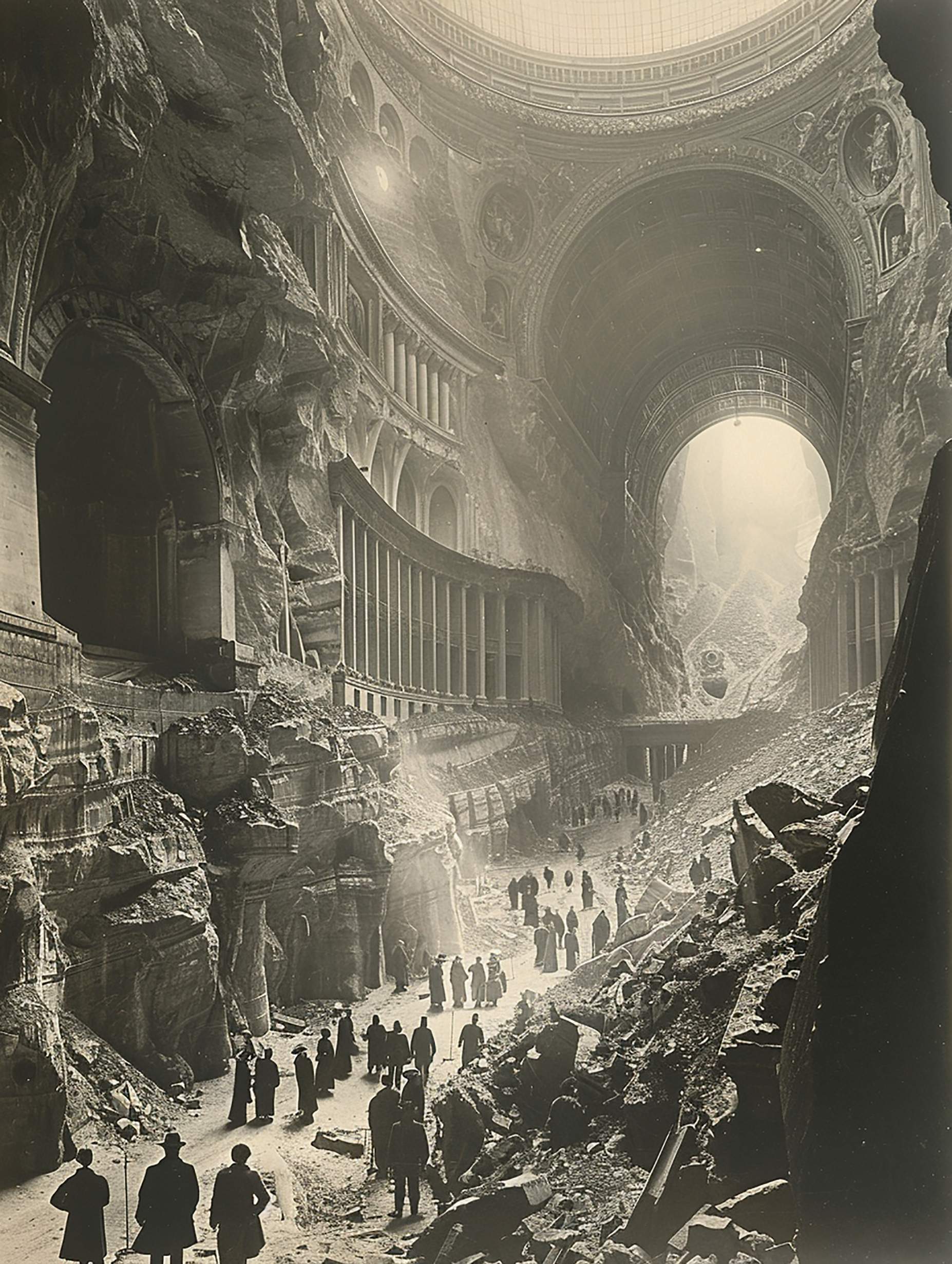
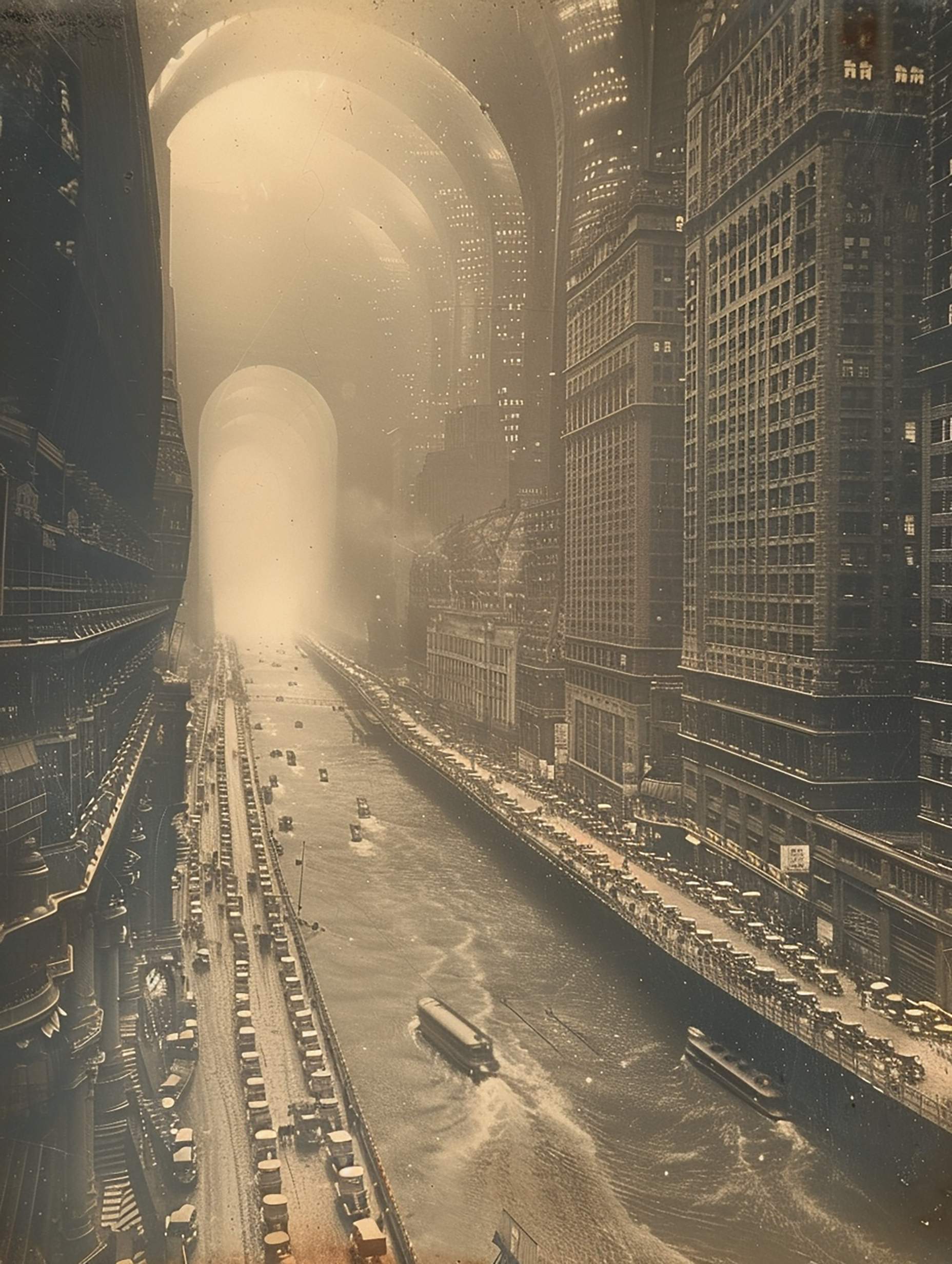
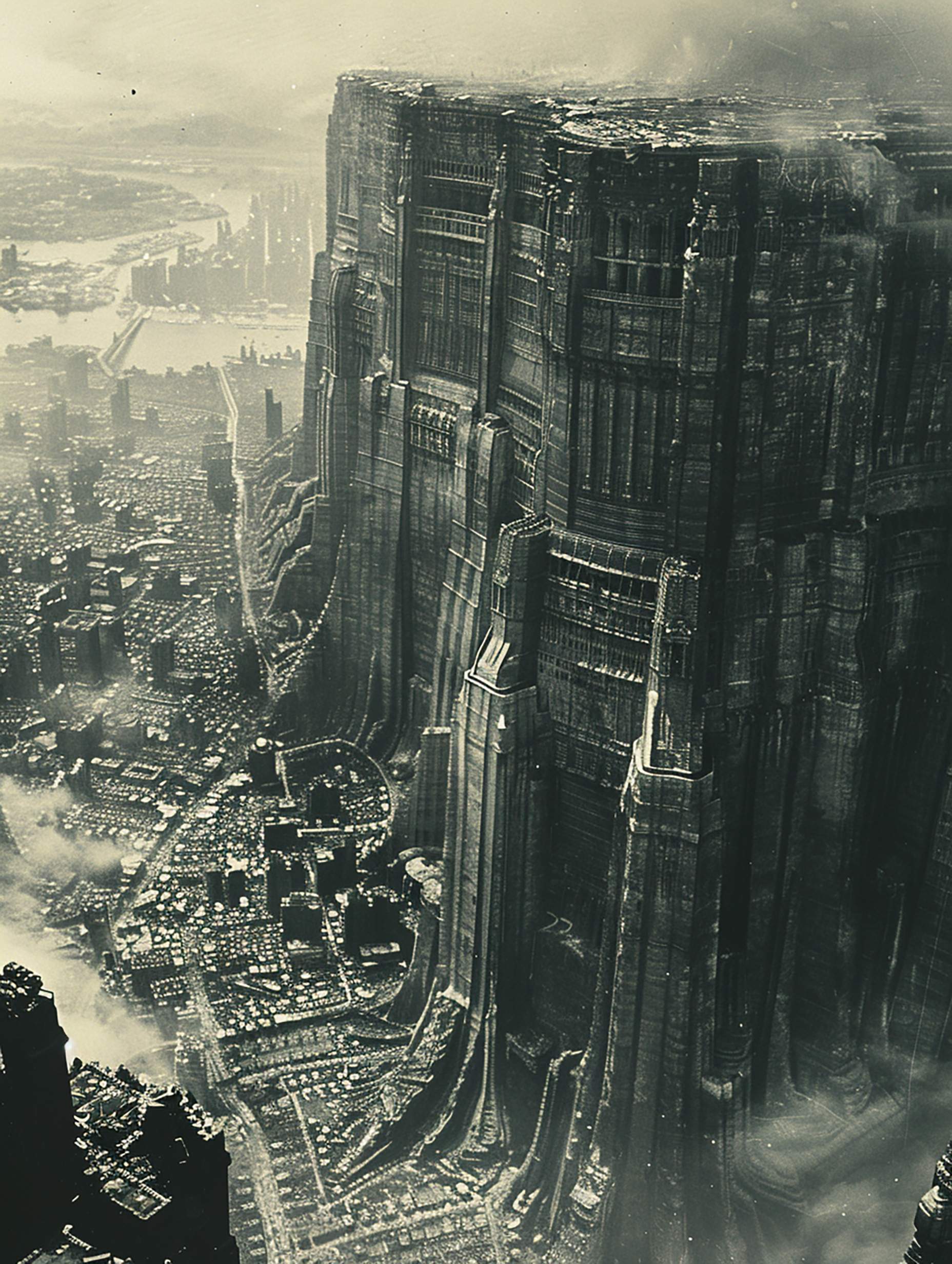
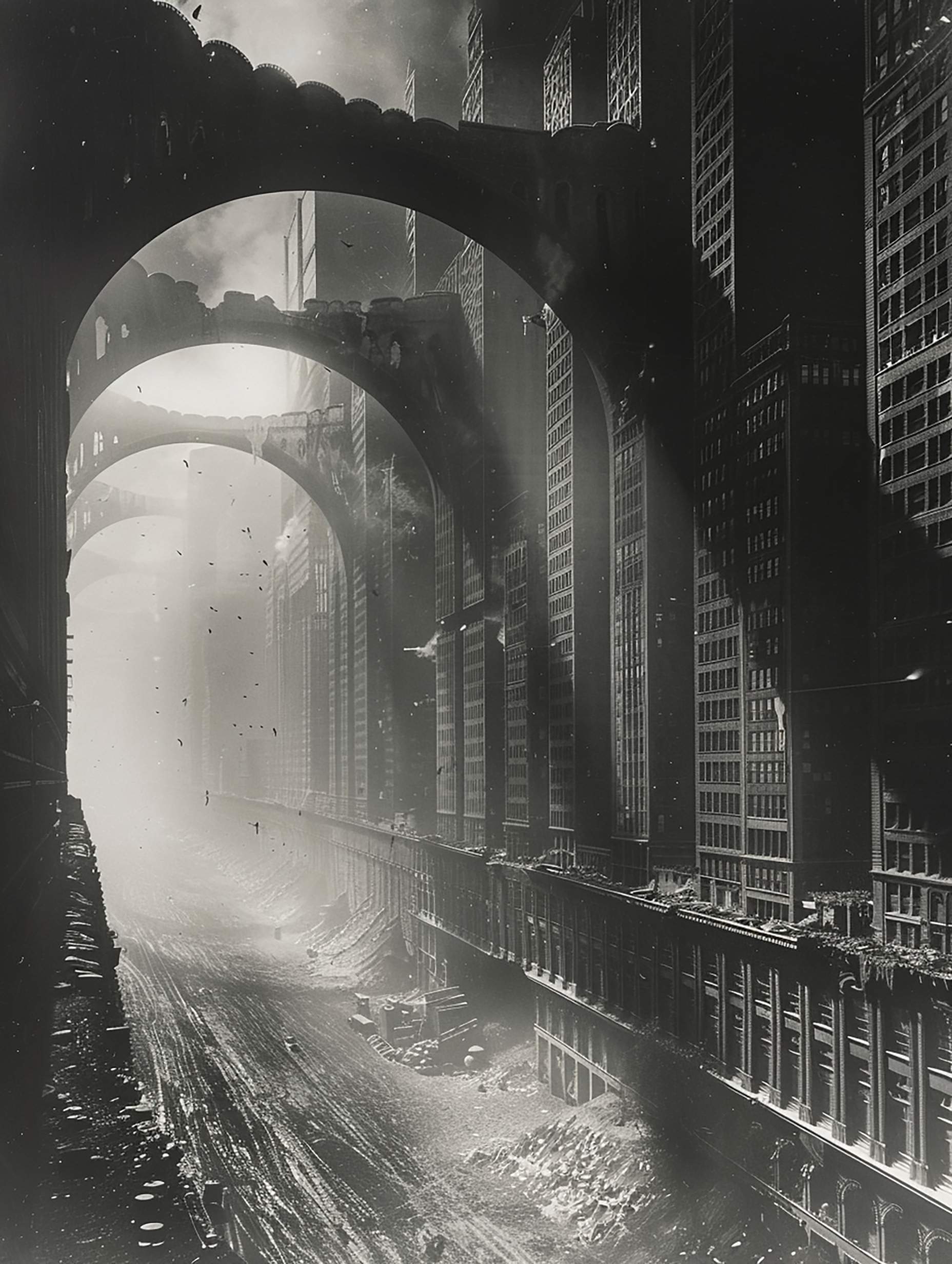
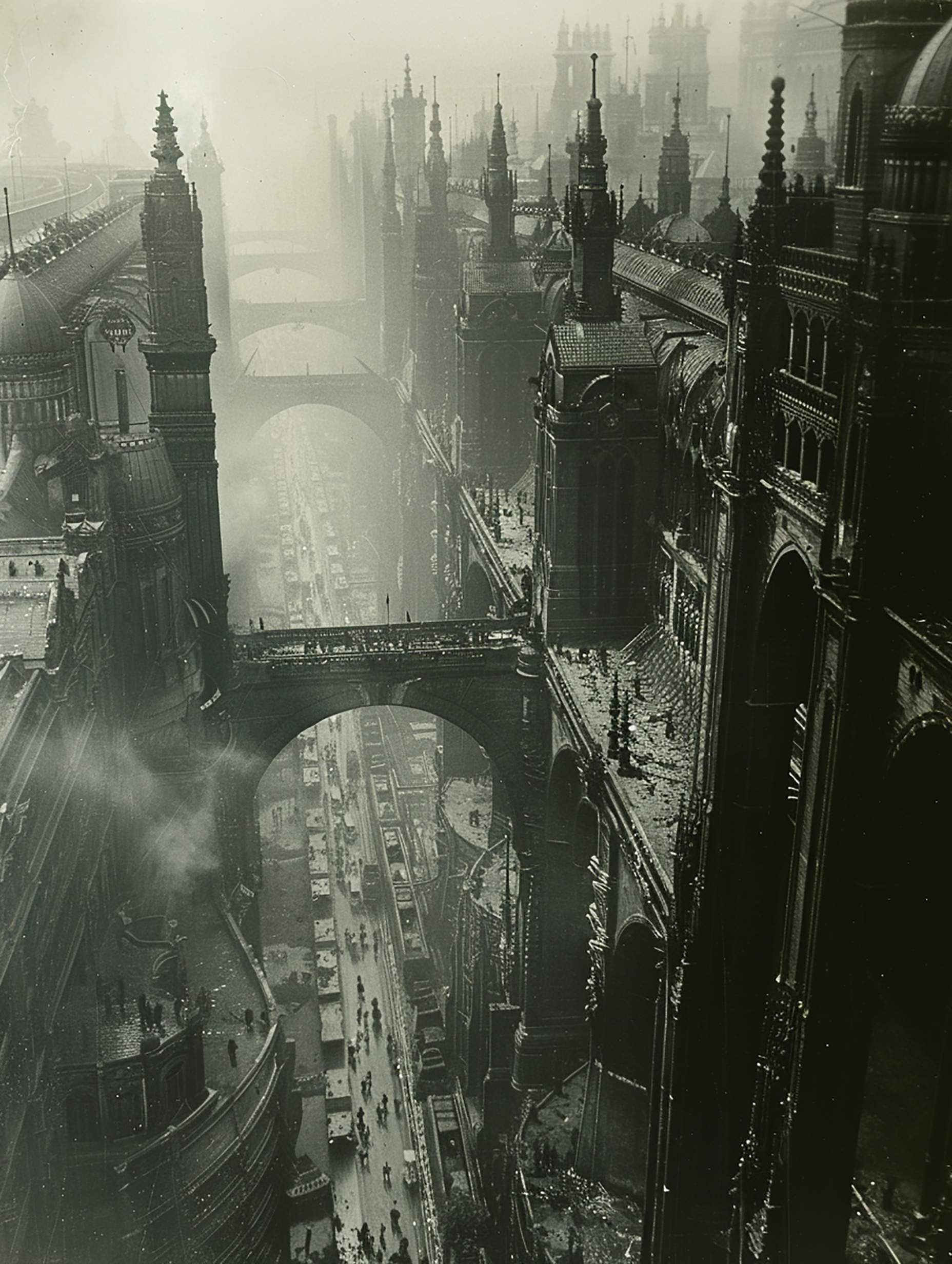
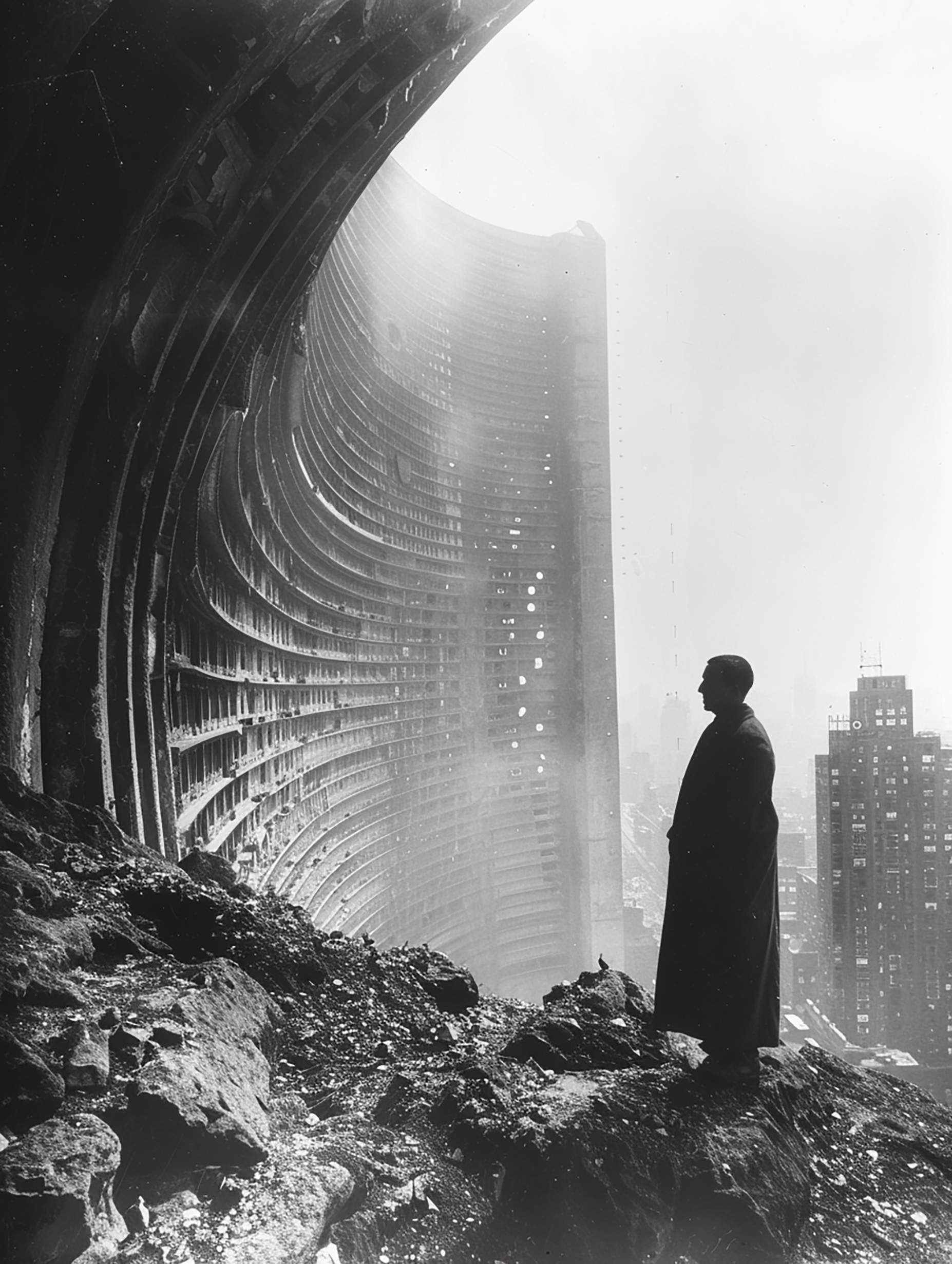
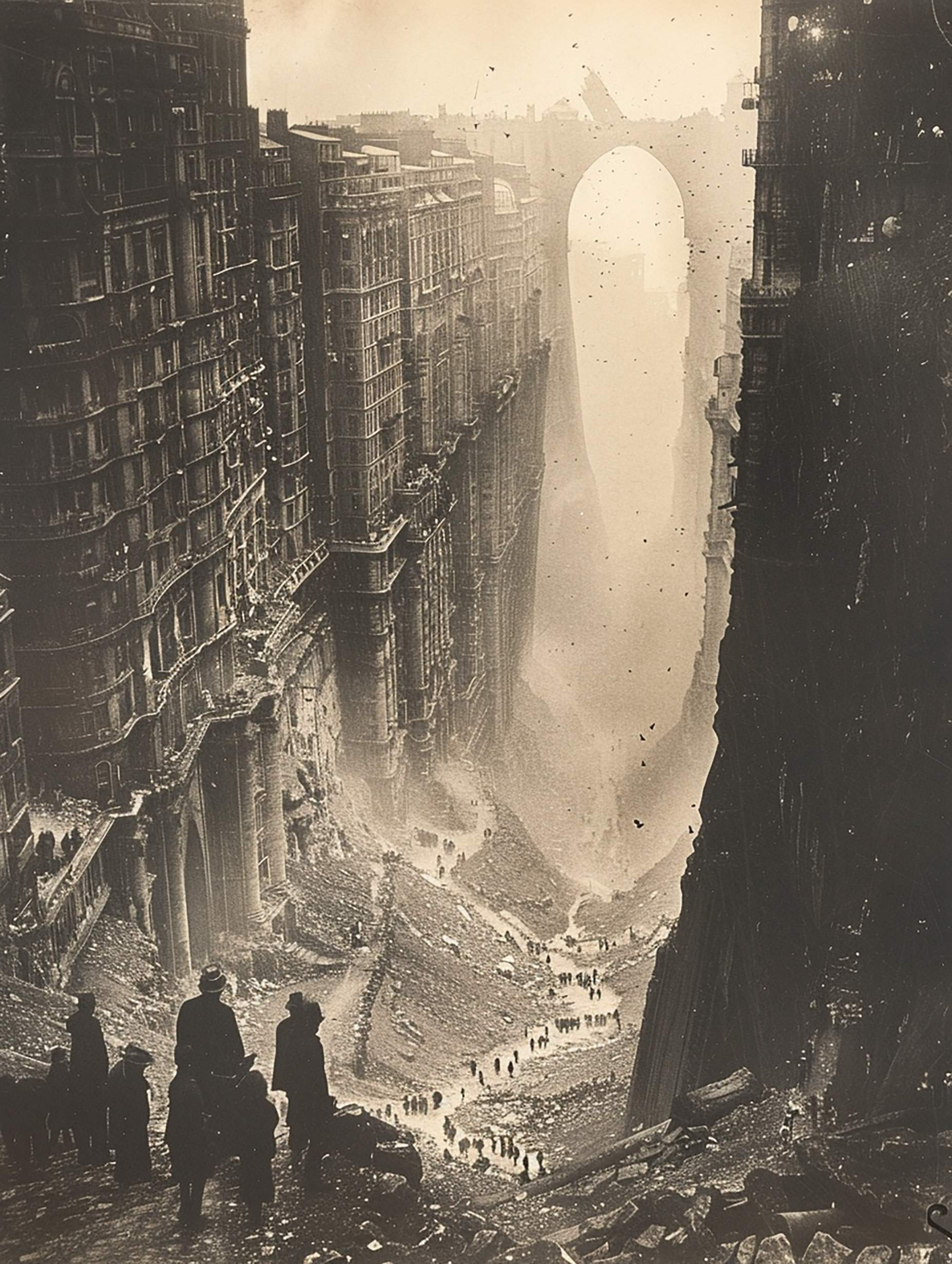
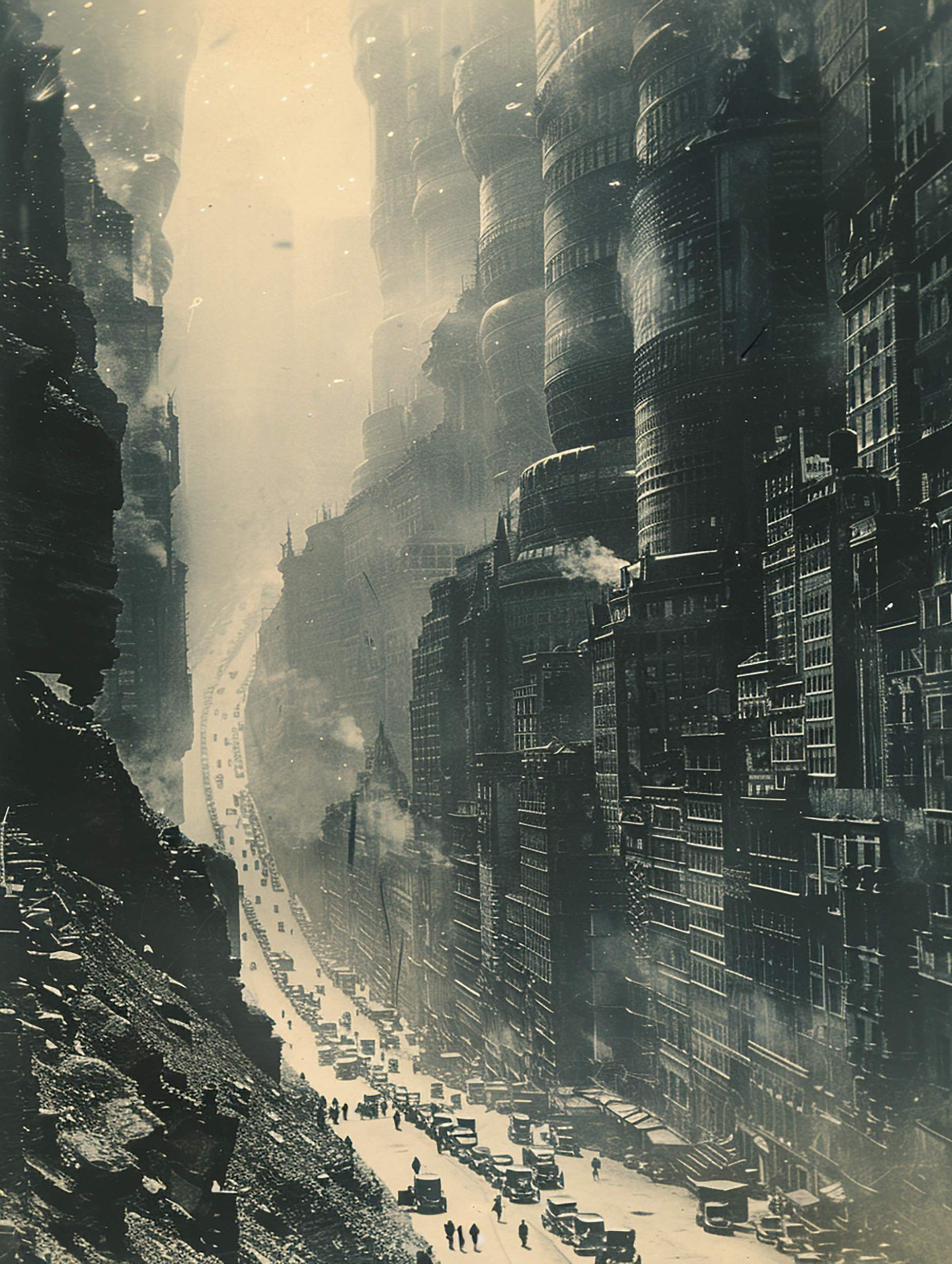
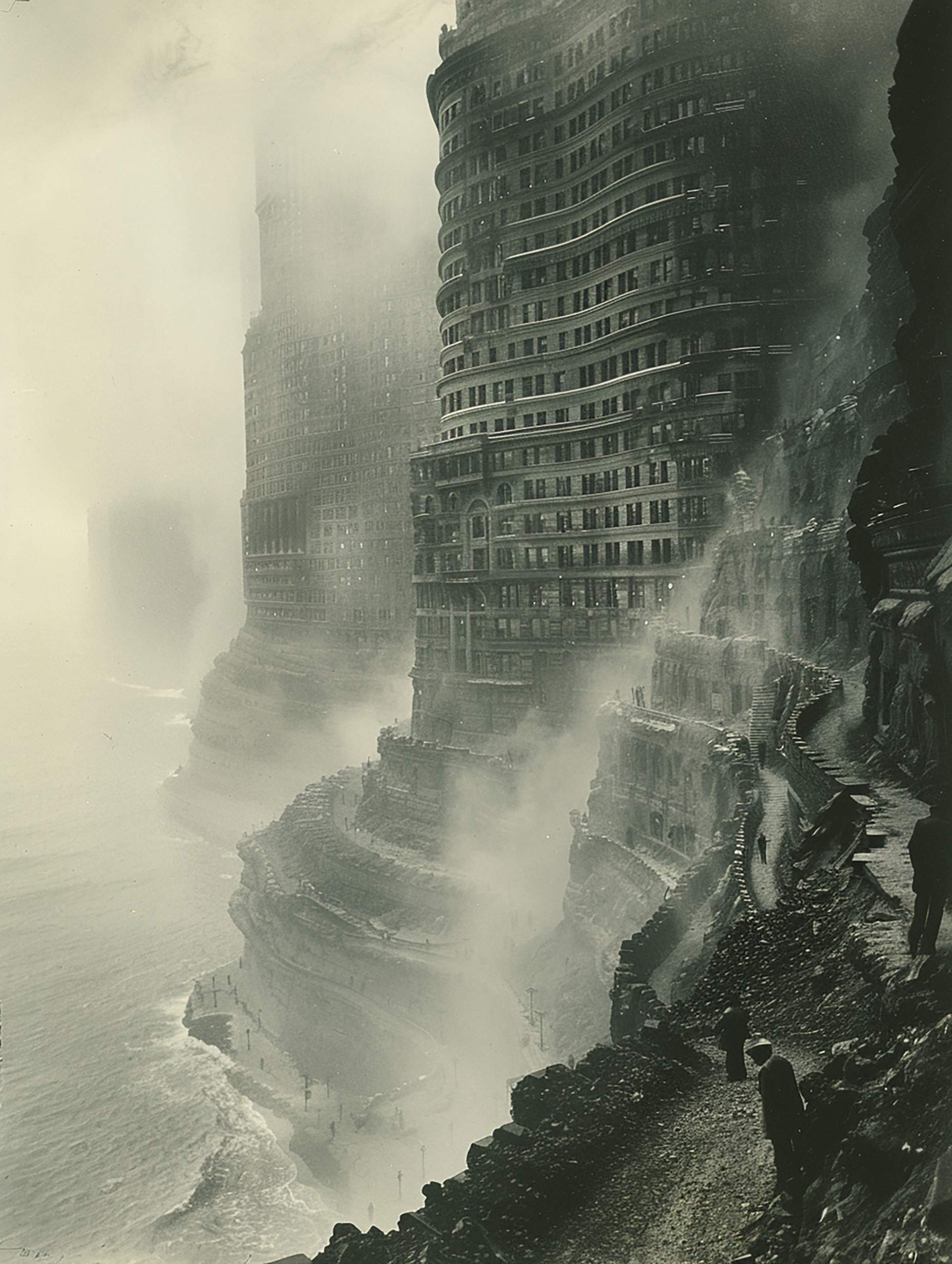
There are, in megacities, places that are neither fully inside nor completely outside. Vestibules, staircases, train stations, hotel lobbies, passages. These liminal zones are not mere transit spaces: they are thresholds — states of being. States of suspended consciousness, where time loosens its grip, and the individual, barely separated from dream or insomnia, begins to perceive the folds of the world as one reads between the lines of a book.
The threshold does not divide; it exposes ambiguity. It is where echoes of dreams still linger, even as wakefulness approaches on silent feet. It is where urban consciousness pulses in its barest form — not that of the citizen, but of the watchman, the wanderer, the lucid dreamer.
Each era dreams the next, wrote Michelet. But few know how to awaken from their own promises. The twentieth century, in giving birth to new technologies — photography, cinema, digital networks — unleashed immense powers of figuration, narrative, and archival. Yet it failed to meet these new technical virtualities with a new social order.
The threshold thus becomes the space of contradiction: between the polished hell of consumption and the ruins of a collective paradise. It is the point where consciousness hesitates — to keep sleeping in the opium of flows, or awaken to the violence of surrounding forms.
He who inhabits thresholds knows that urban space is crossed by multiple temporalities — memories, ruins, sketches of the future. An image, wrote Benjamin, is that in which the ‘once’ meets the ‘now’ in a flash to form a constellation. The threshold is precisely this point of convergence: where fragments of memory, forgotten gestures, and suspended desires briefly resurface on the skin of the present. These flashes do not last, but to those who know how to orient themselves, they reveal the possibility of another society.
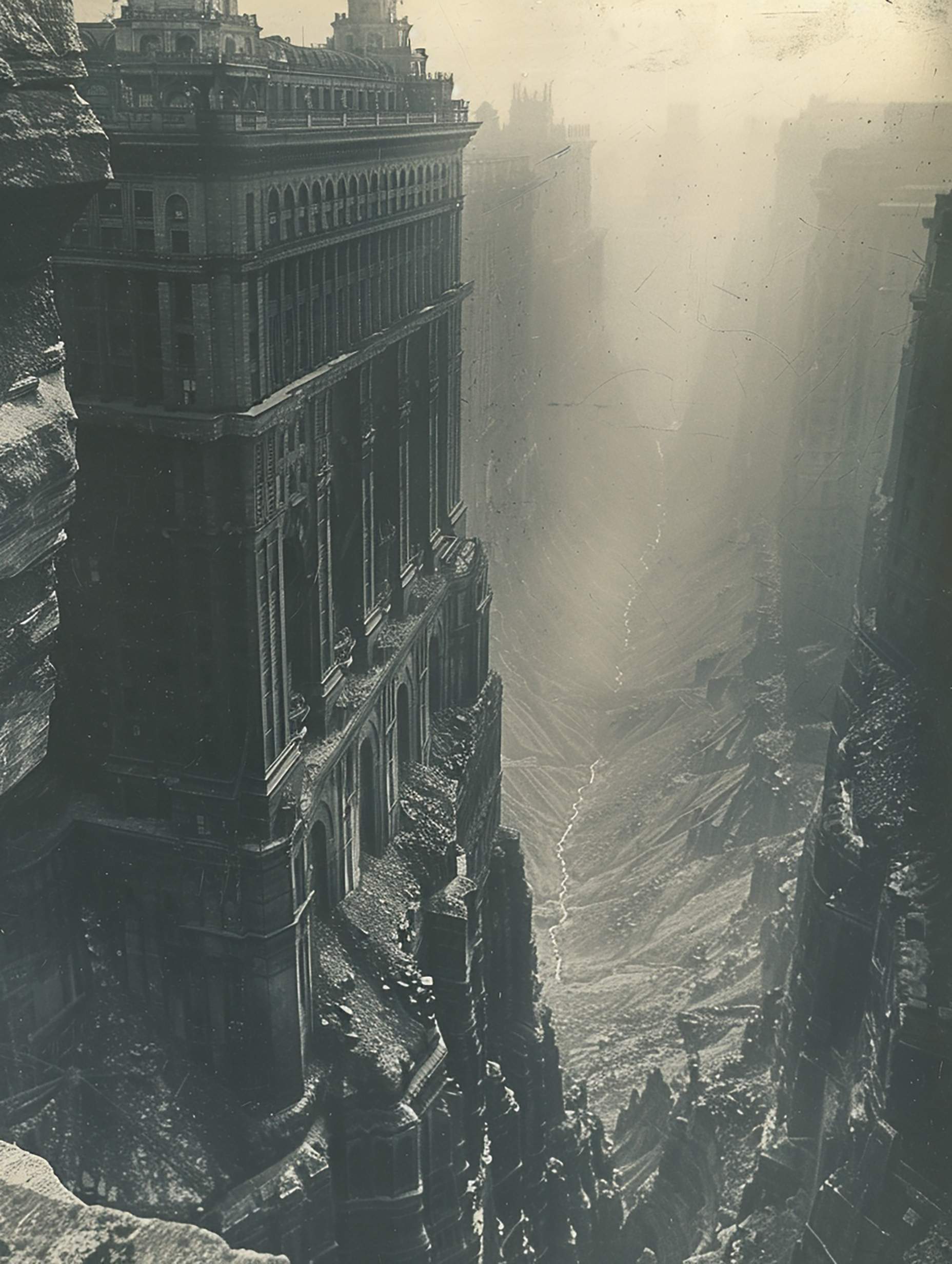
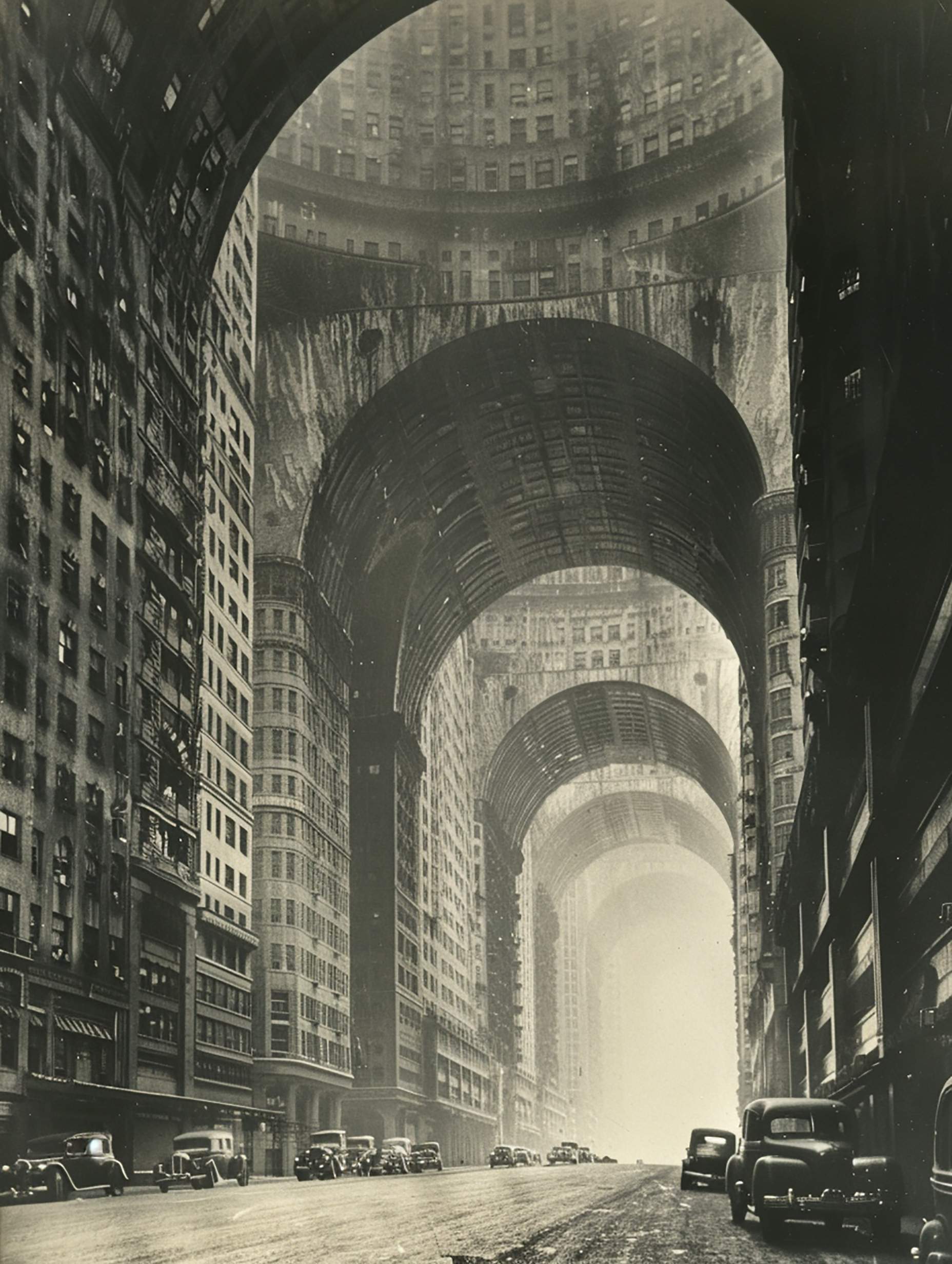
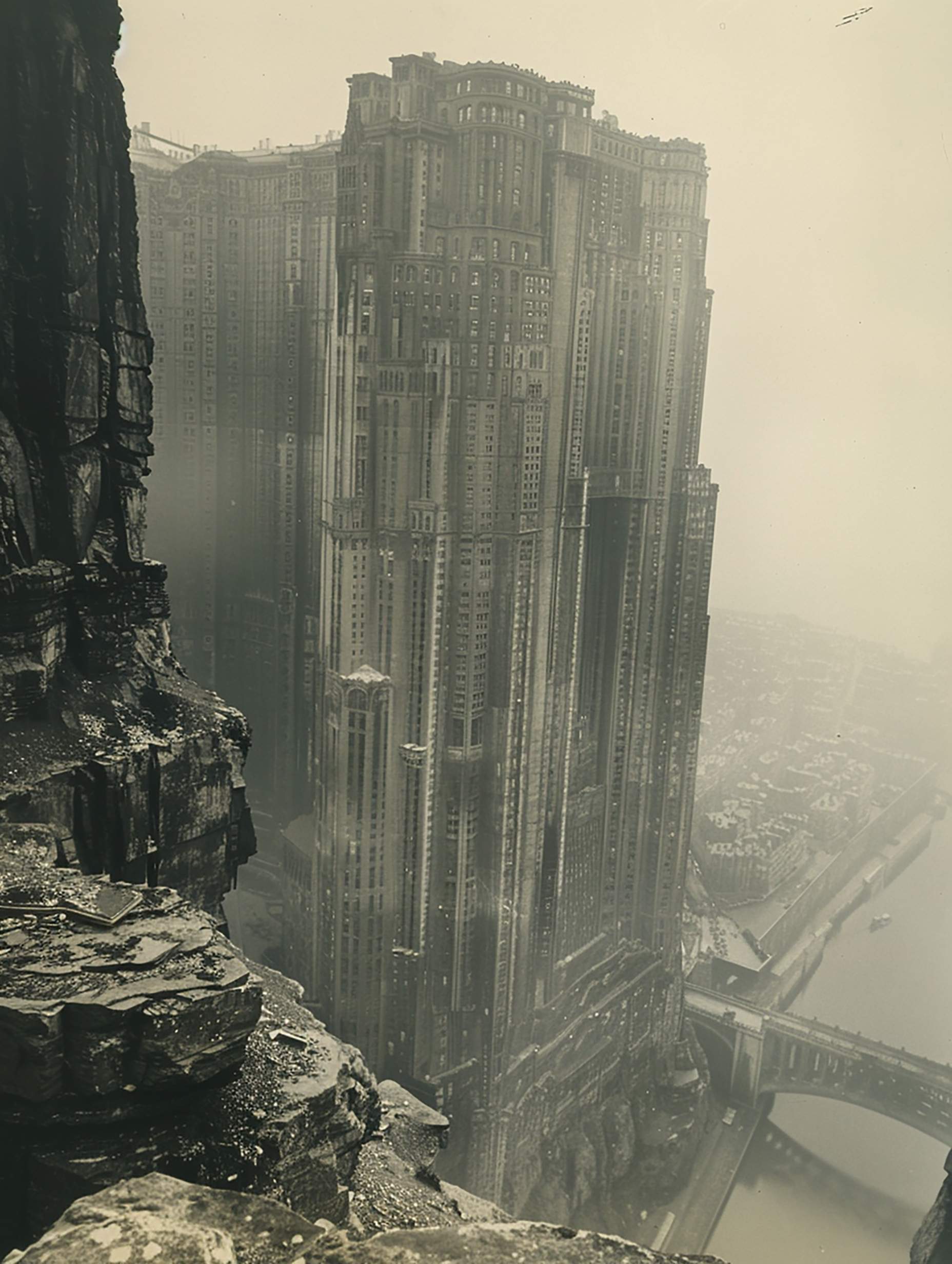
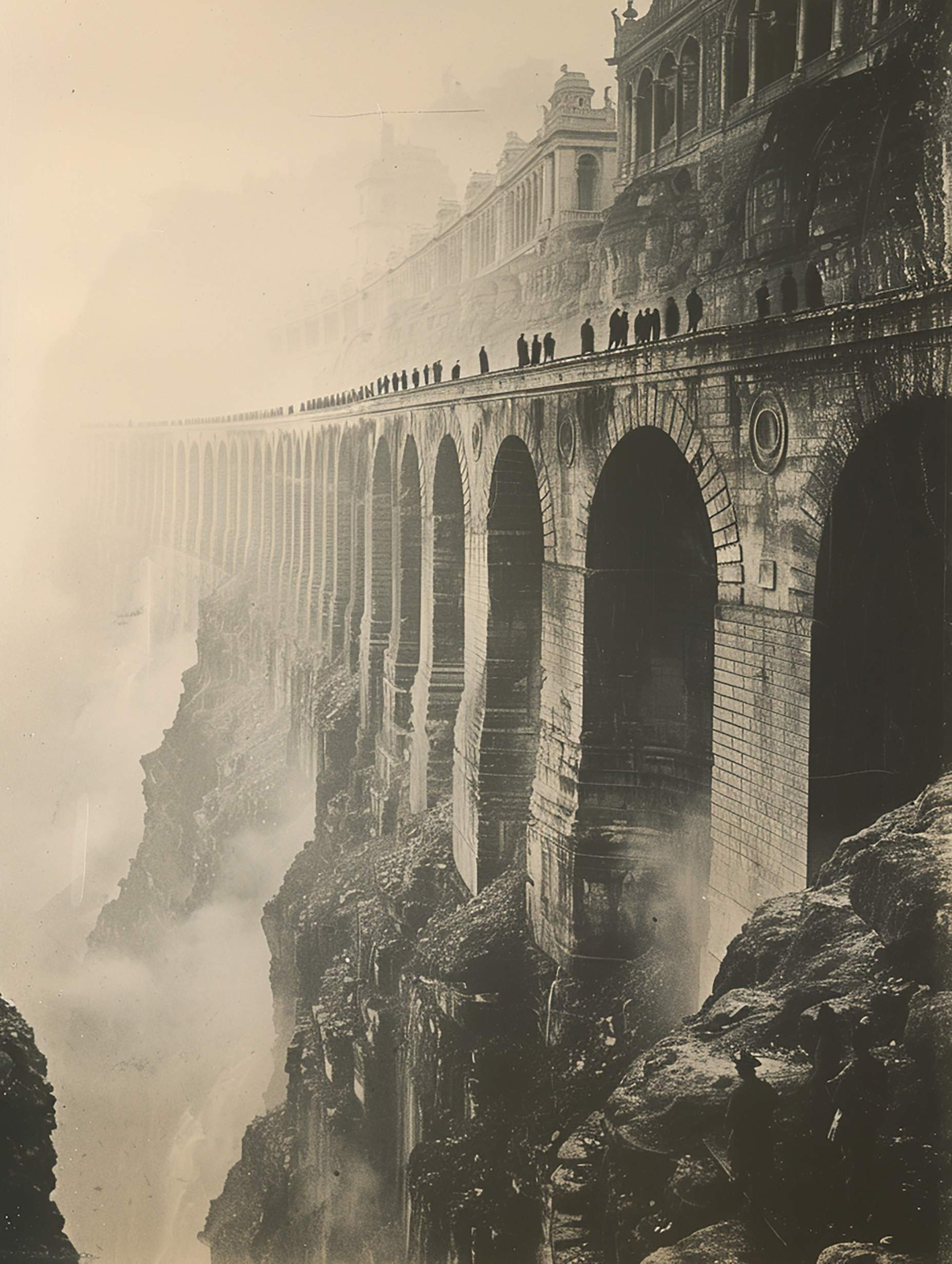
MEGALOPOLIS is a long-term project exploring city and memory through artificial imagination.