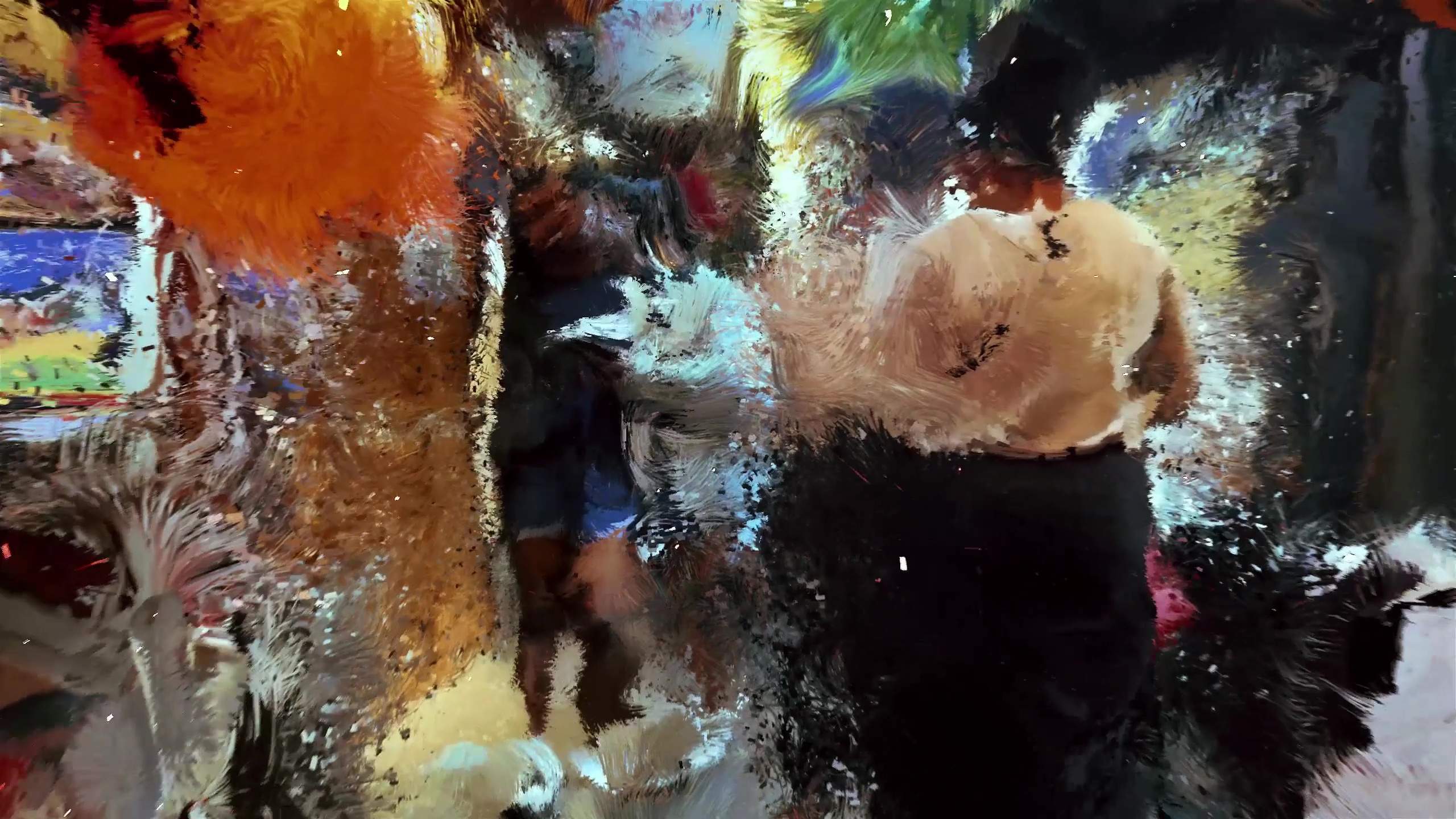
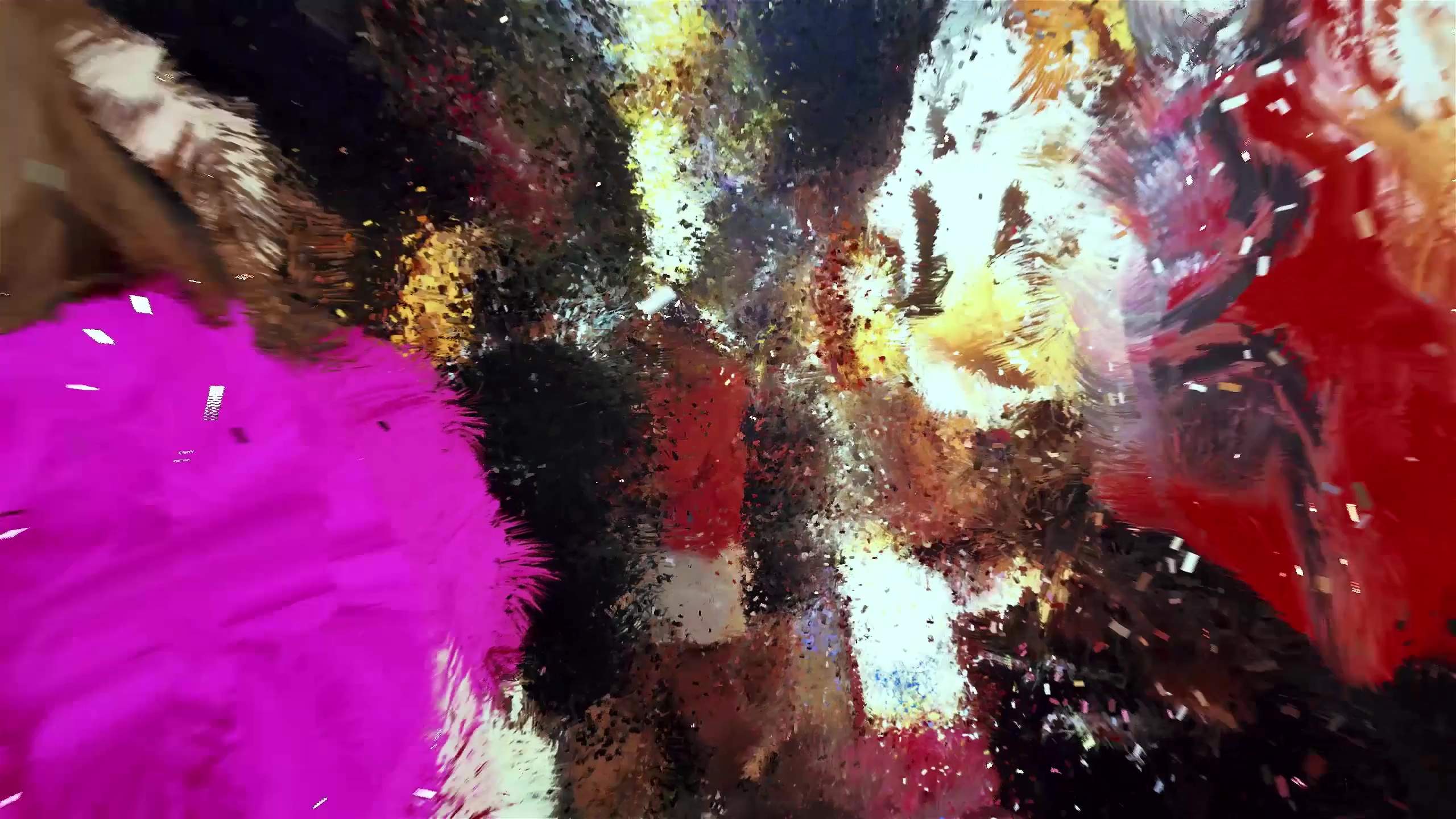
MEGALOPOLIS
It all starts with a simple intuition: every moment lived in the city is traversed by multiple times at once. In the same gesture, I am in the immediate present, caught by the news and media flows; but I am also inhabited by involuntary memories that suddenly resurface, or by melancholic reveries that transfigure what I see. The city thus becomes a threshold, a space where these heterogeneous temporalities overlap and collide.
My project seeks to give form to this stratified experience: to make felt how the most banal everyday life is crossed by archaic survivals, collective images, fragments of history and memory, as much as by the alienation of a saturated present. It is this constant oscillation—between Inferno, Spleen, and Ideal—that I want to unfold through a sensitive cartography of urban consciousness.
The City as Threshold
I see the subway, the station, the staircase, the café, or the office as thresholds. In these ordinary spaces, three dimensions coexist:
•The Inferno, that of the homogeneous and repetitive present, saturated by information, networks, mechanical gestures. •The Spleen, an allegorical and poetic gaze that suspends time and transforms the city into a spectral theater. •The Ideal, involuntary memory, intimate or archaic reminiscences that resurface through a detail, a light, a smell.
These dimensions do not simply add up, they overlap. The threshold is the space where they are experienced simultaneously.
A Fragmented Consciousness
I want to show that consciousness does not advance in a straight line. Each moment is made of back-and-forth movements:
•Upon waking, the present still mingles with the dreams of the night, but already the news intrudes. •In the subway, the mechanical repetition of the commute intertwines with intimate thoughts, fleeting memories. •During the workday, the Inferno of routine can be fractured by a moment of spleen—a light, a silence, a gaze. •In the evening, urban wandering opens up new resonances, where memory and melancholy overlap.
The city, lived this way, becomes a moving cartography of our inner states.
Strata and Survivals
My approach inscribes itself in a theoretical and artistic lineage:
•With Benjamin and Baudelaire, I found a grammar of modern spleen and a typology of urban temporalities. •Didi-Huberman and Warburg taught me to see each image as a stratification, an archaic survival traversing the present. •Bergson thought of duration as a flux where past and present intertwine, and I seek to embody this experience. •De Certeau and Lefebvre showed me that everyday life and its rhythms are already poetic and political scenes. •Finally, Debord and Mark Fisher illuminate contemporary melancholy: a saturated present haunted by aborted futures.
Montage as Consciousness
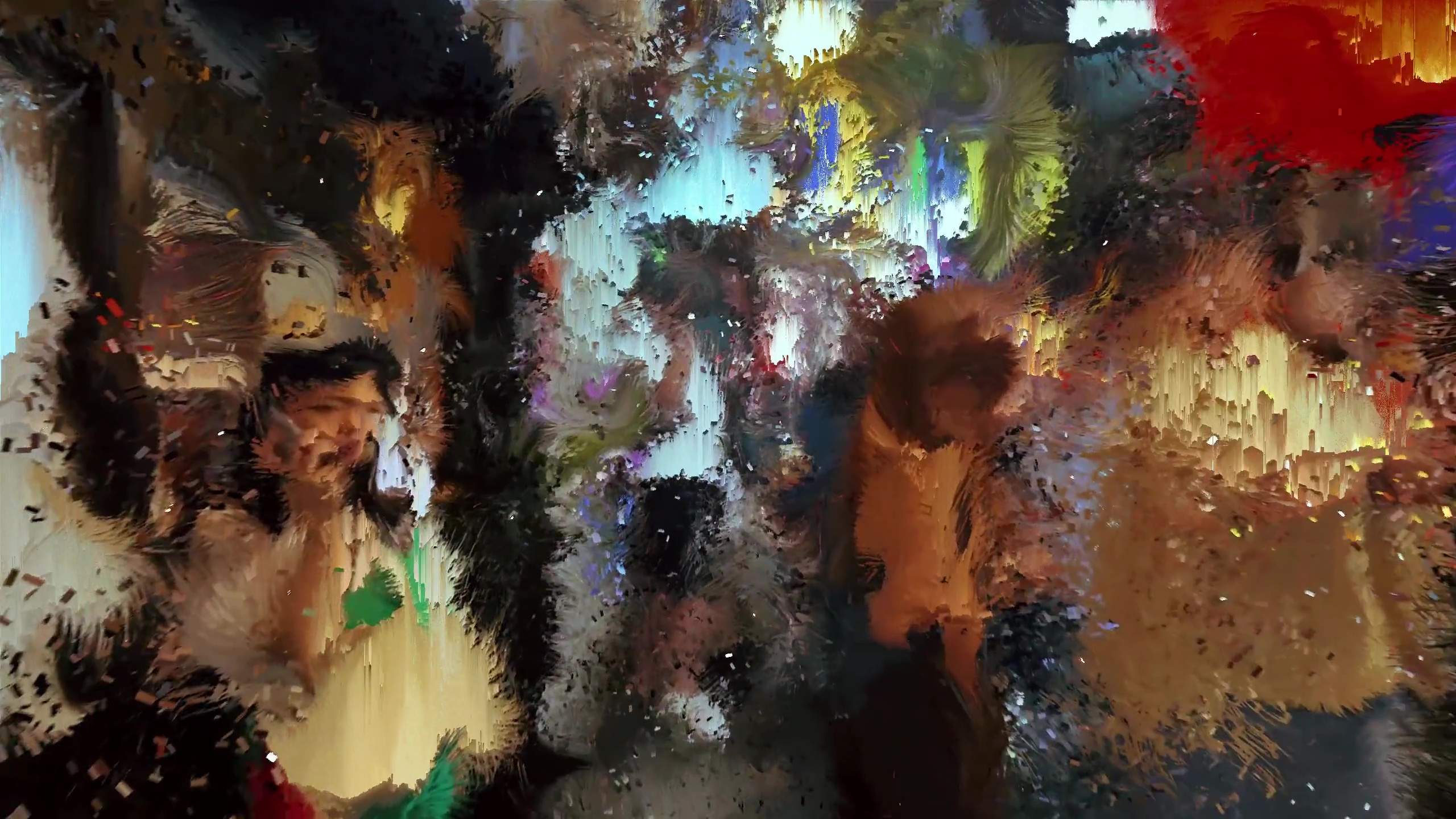
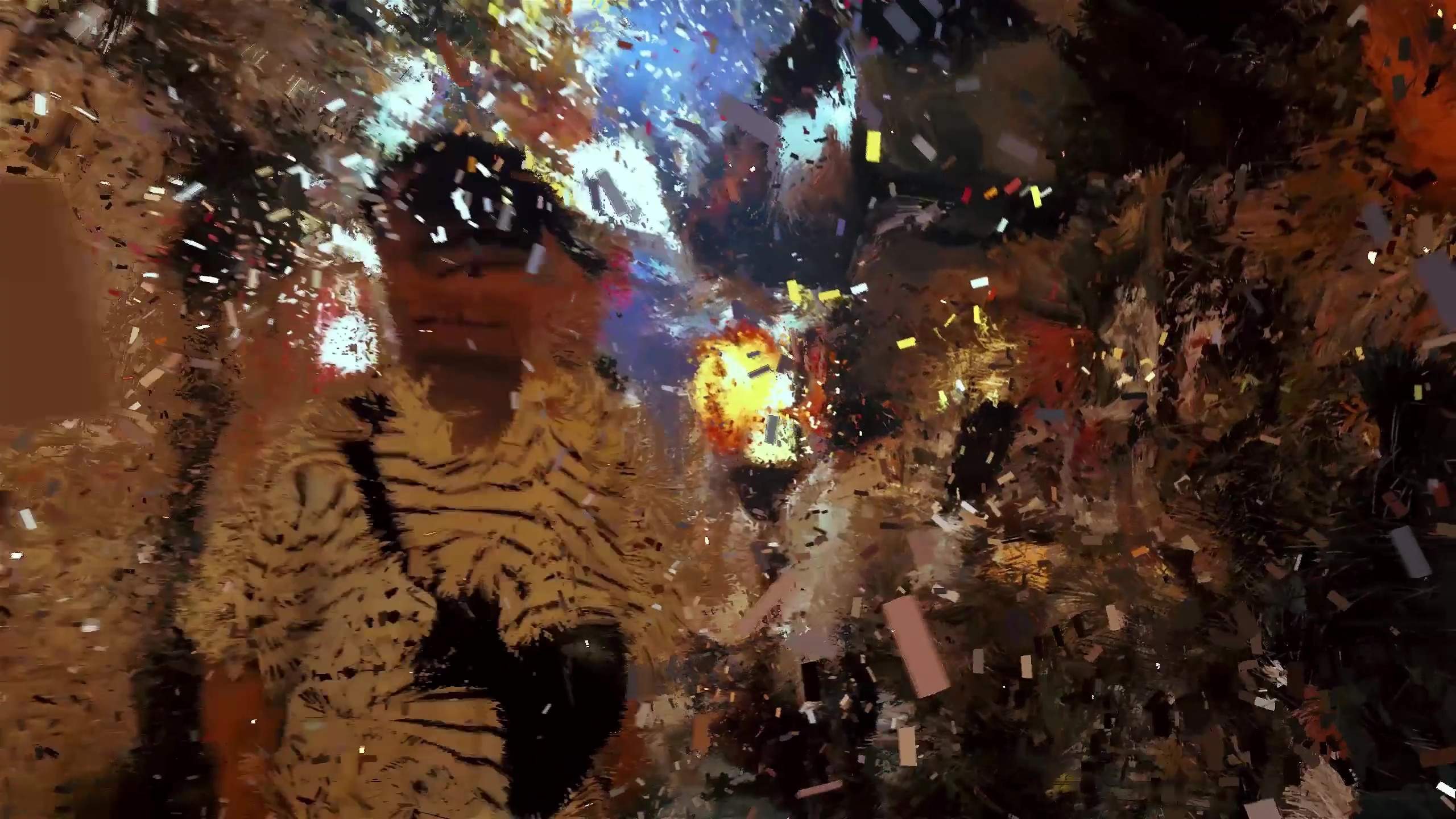
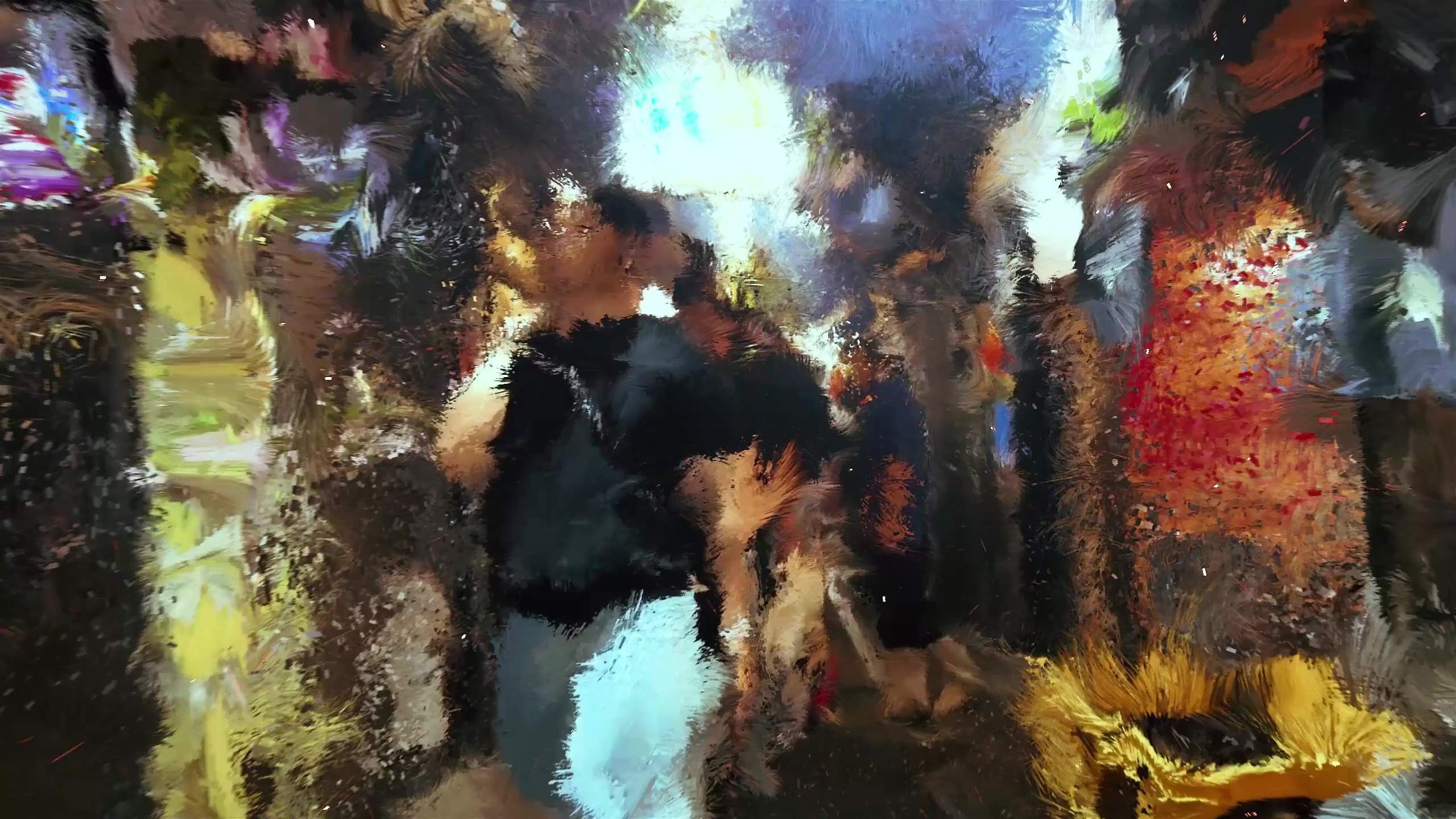
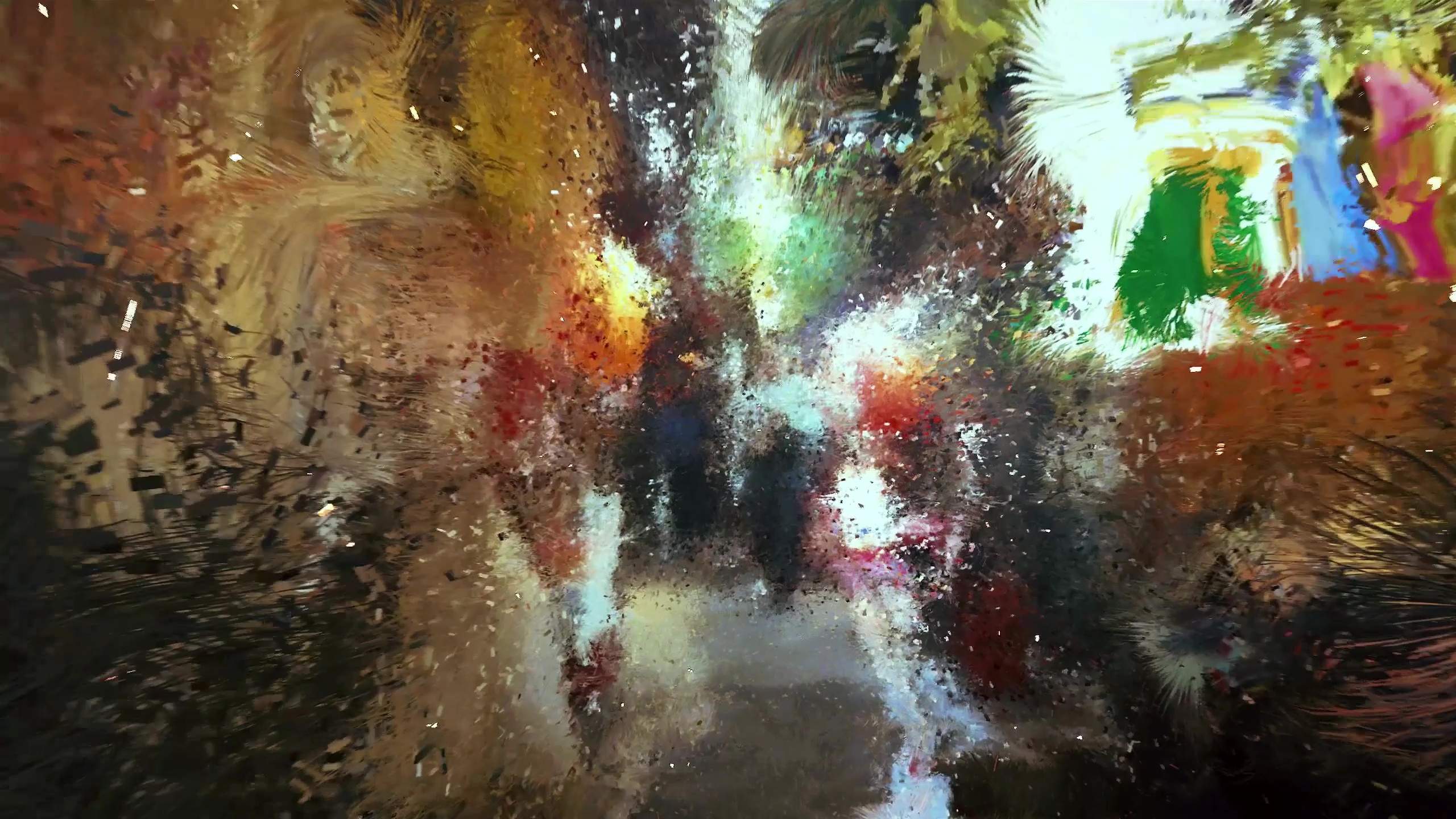
I conceive montage as the equivalent of a flow of thought. My work juxtaposes the documentary and the hallucinatory, the most ordinary gestures and the most spectral images. Point clouds, volumetric video, and artificial imagination are for me ways to render visible the stratification of time:
•AI as an expression of a collective, hallucinatory unconscious. •The point cloud as a constellation of fragile and unfinished memories. •Montage as fragmented consciousness, crossed by resonances.
Conclusion
MEGALOPOLIS is not merely a work about the city. It is an attempt to render perceptible the way our lives are constantly traversed by heterogeneous flows: memory, news, spleen. The city thus becomes the mirror of our stratified consciousnesses, a living atlas where our dreams, our anxieties, and our survivals are endlessly replayed.