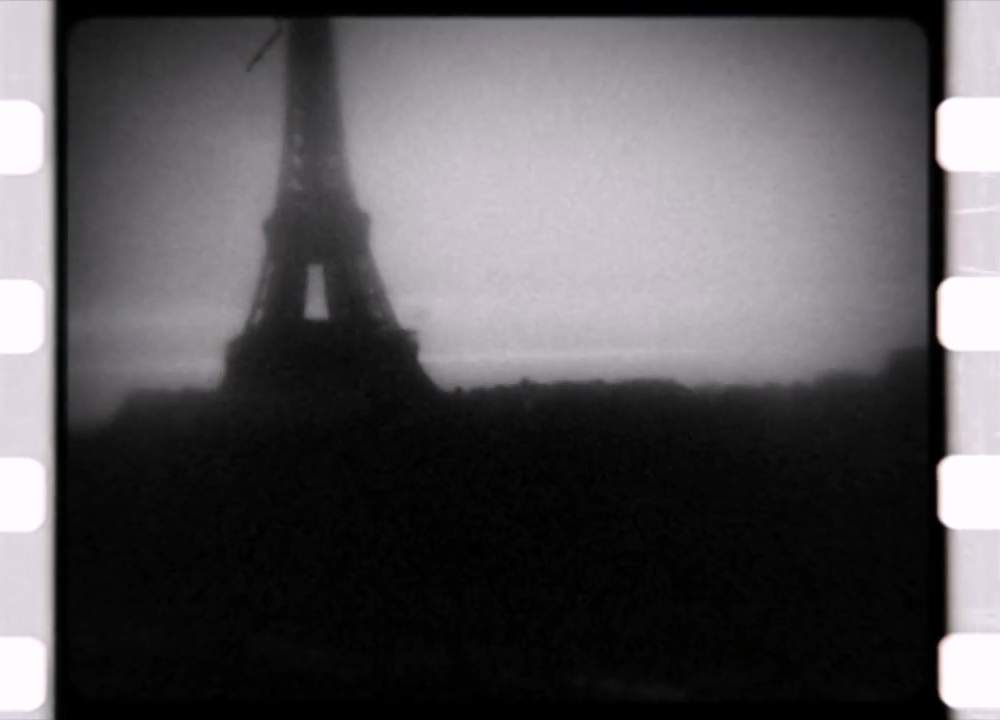
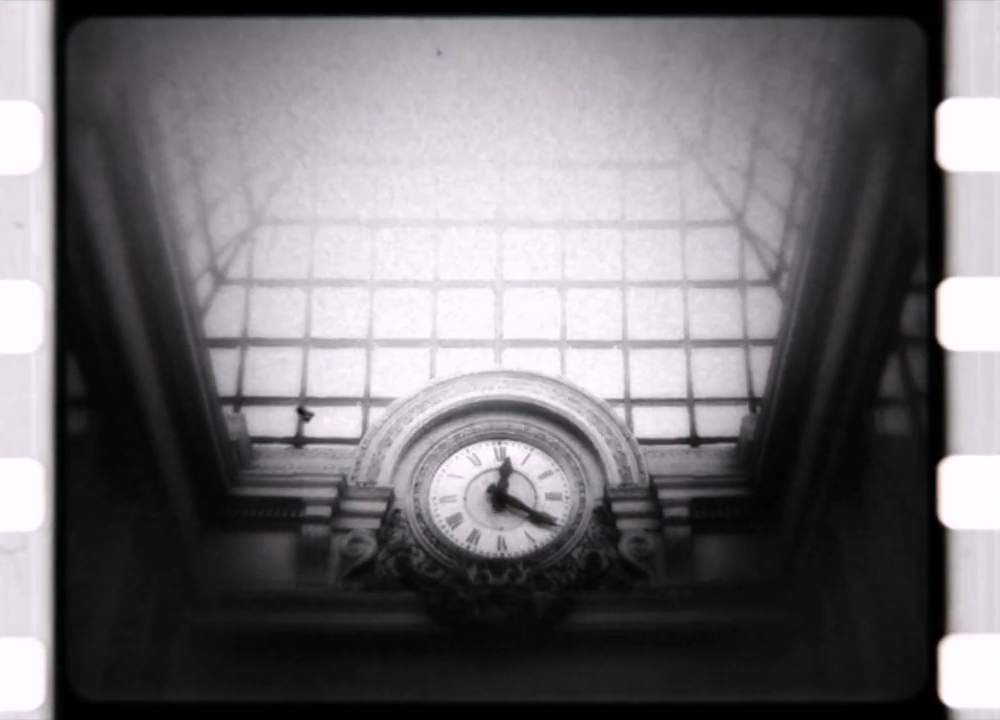
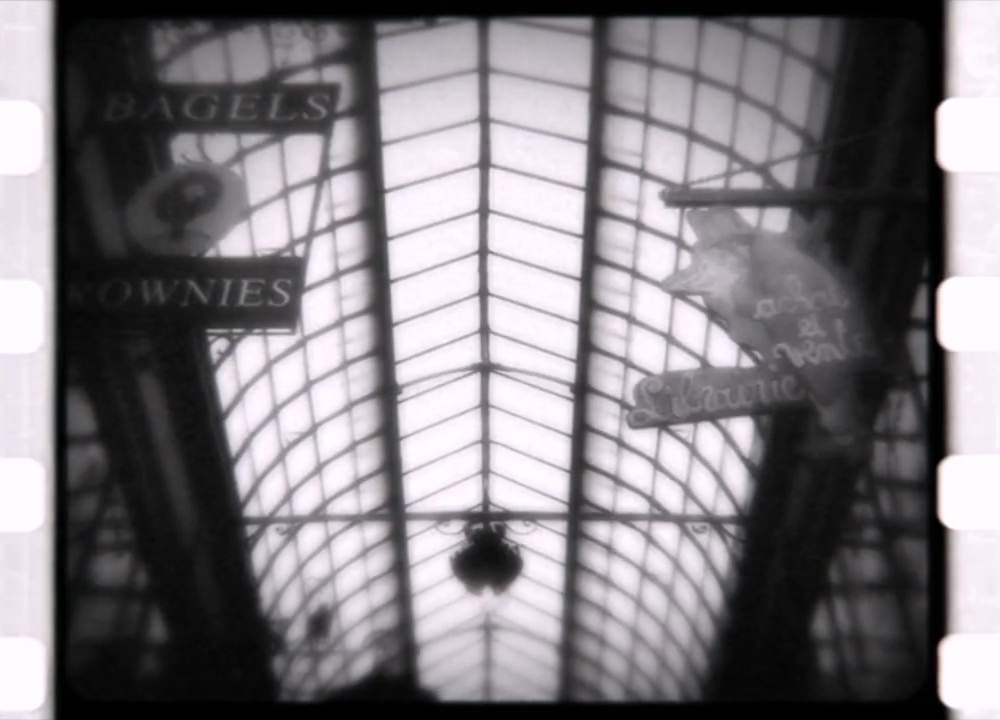
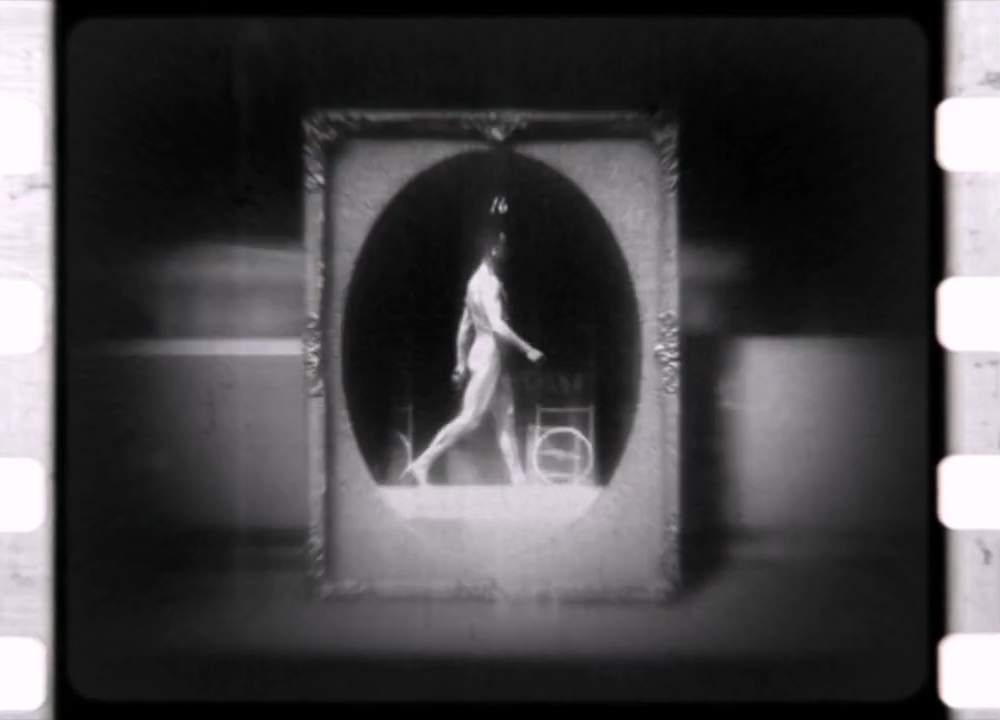
A radical experimental film about how 19th-century reproduction techniques enabled the integration of the shock of the big city.
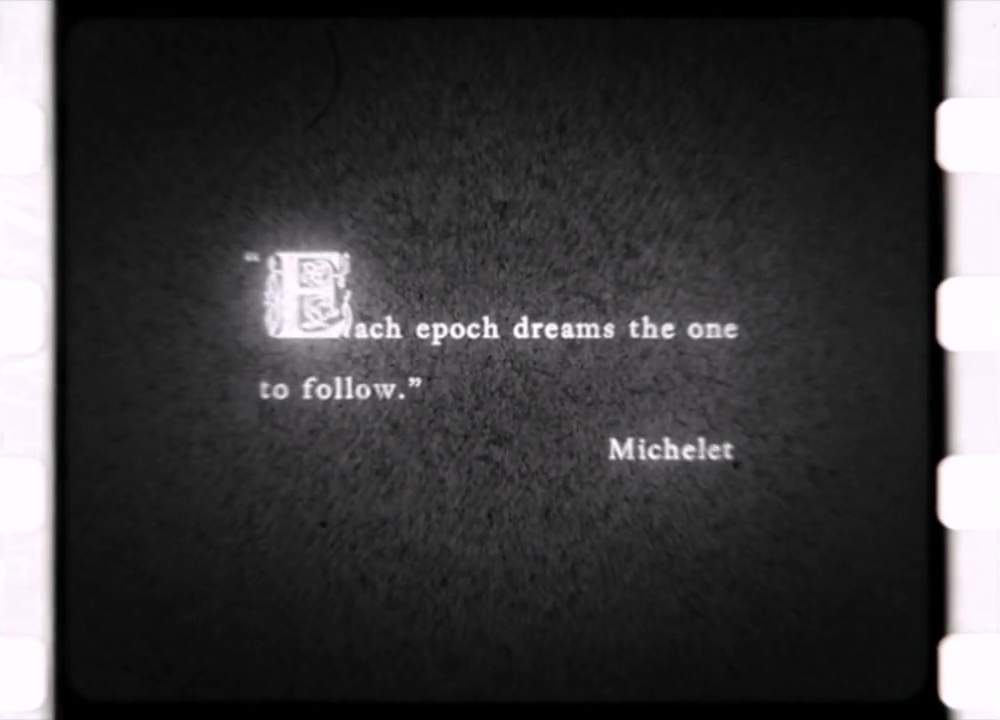
In his book "Paris, capital of the 19th century" the German philosopher Walter Benjamin attempts to outline a comprehensive interpretation of the 19th century along with its dubious modernity.
He argues that “capitalism was a natural phenomenon which plunged Europe into a new, dream-filled sleepâ€. Therefore, in Paris, capital – through Haussmann’s work - reshapes urban space and time.
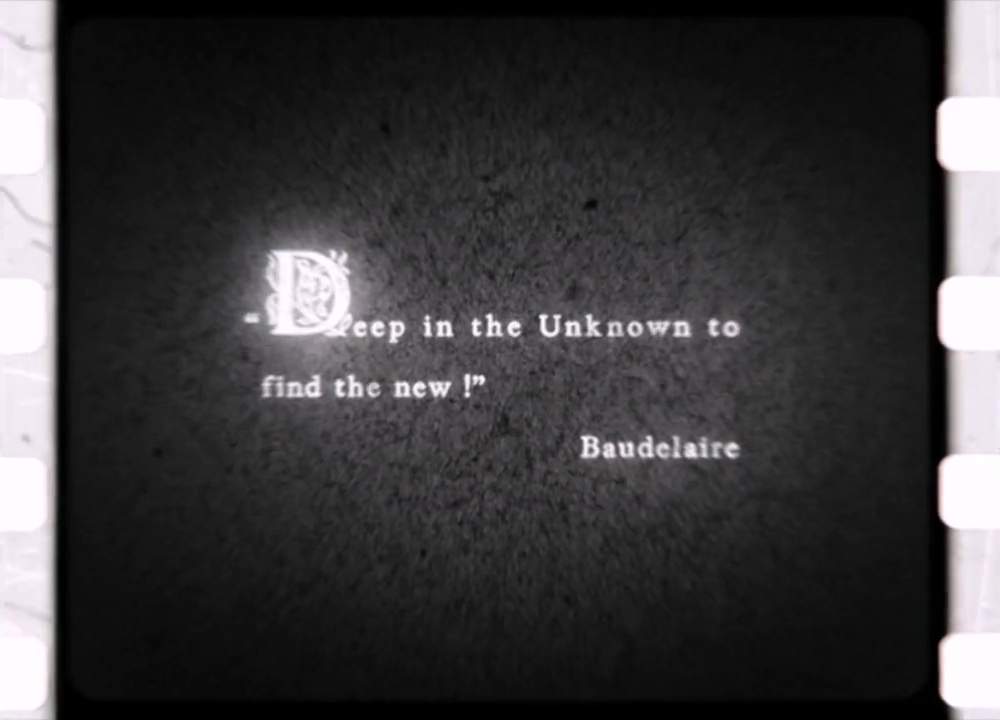
All this brings about a new experience for town dwellers, a feeling very well described by Baudelaire in his poems – the large town shock.
In his “Eternity by the Stars†Blanqui describes it a hellish vision, an endless return of the same.
At this time, new reproduction techniques emerge, such as lithography, photography and film-making, which enable us to understand the traumatic shock of urbanism by including it into their own devices (a film, after all, is a series of 24 shocks per minute!).
As these techniques acquired art status, they create an urban and world-encompassing fantasy (by means of sample-sites such as the bourgeois interior, passages, department stores) and succeed in producing a perceptible and reassuring image.
In short, they become phantasmagoric.
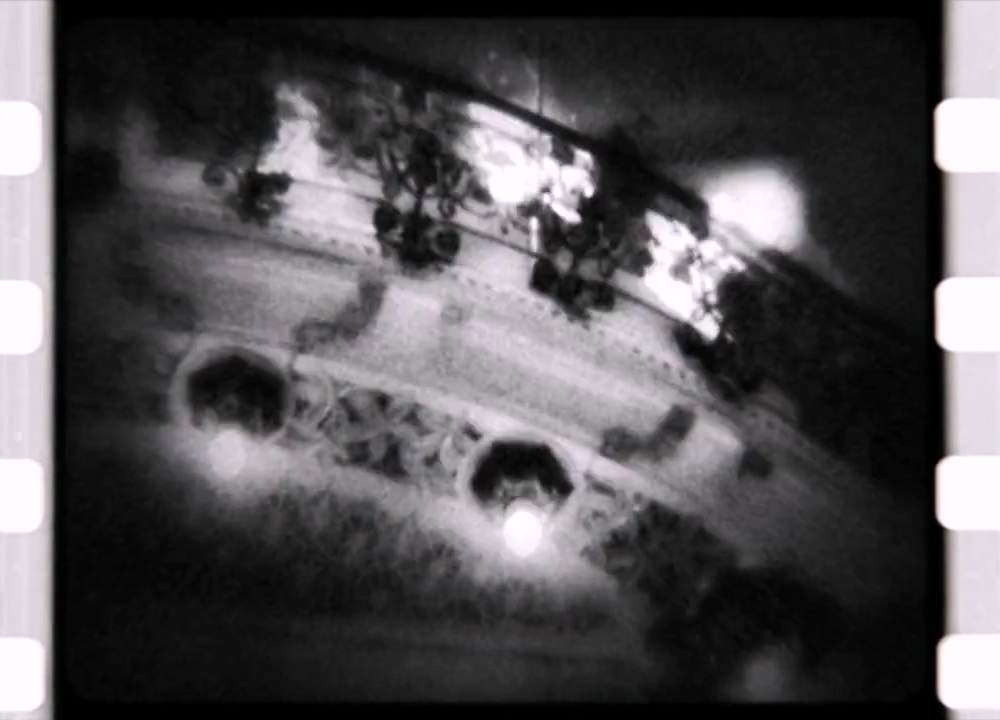
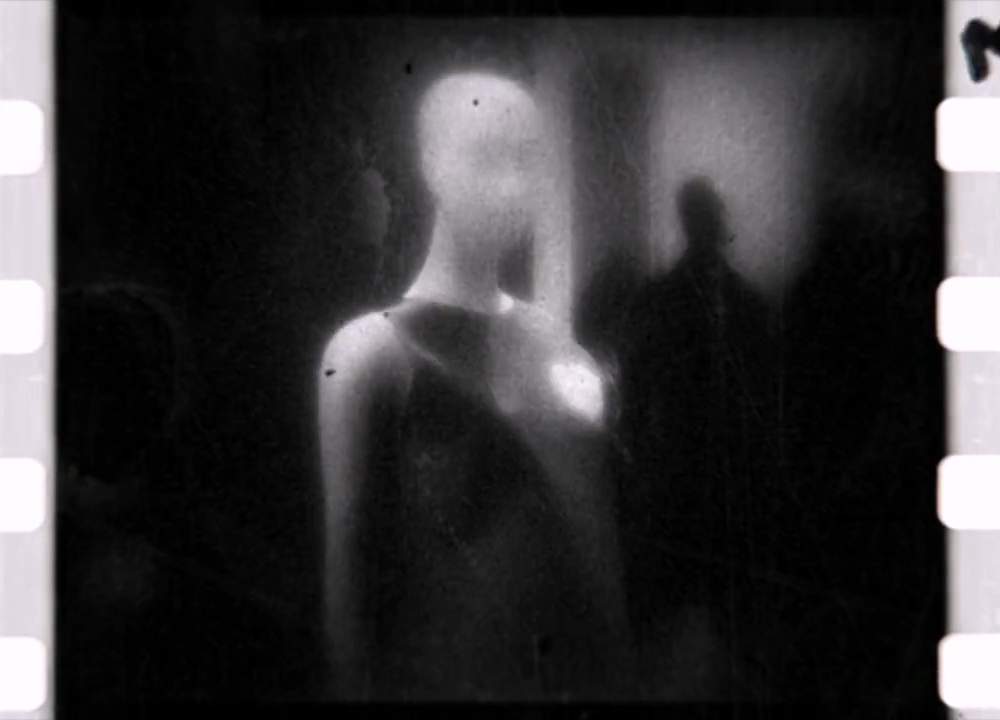
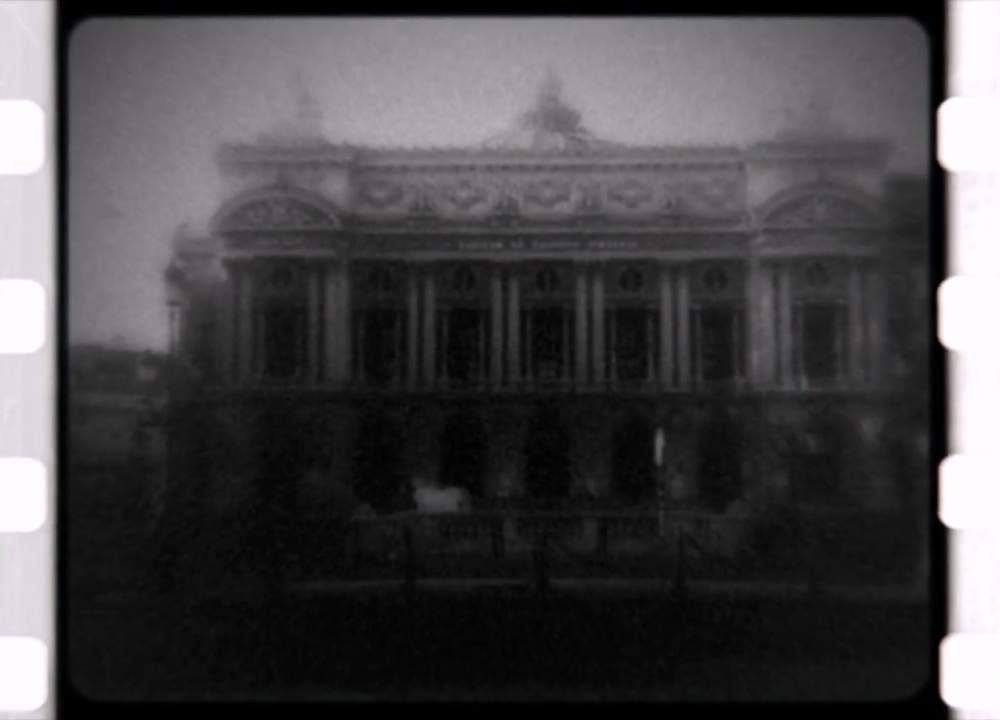
This film offers a study of these fantasmagories and tries to show that we can still shoot the ruins of Paris of the nineteenth century with a video camera.
Part of the catalogue of The Collectif Jeune Cinéma (Young Cinema Collective) is a filmmakers’ cooperative founded in Paris on June 12th 1971.